How Does My Garden Grow
A Garden Planner & Journal to Organize, Track, and Design Your Dream Garden
Grow Your Connection to Nature
A planner and journal to design, track, and organize your dream garden. With structured pages for layouts, seasonal notes, and reflections, it’s a companion for gardeners who love both planning and dreaming.
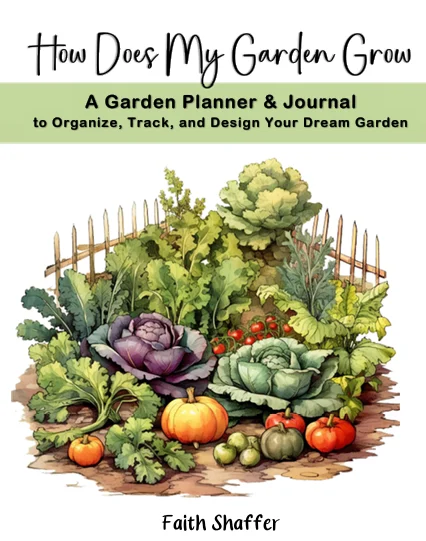
This book is yet to be published. Shown is the title page.

Links from
How Does My Garden Grow by Faith Shaffer
Sidebars
Types of Gardens: Bonsai ~ Chaos ~ Container ~ Flower ~ Food Forest ~ Heirloom ~ Herb ~ Moon ~ Native Plant ~ Pollinator & Wildlife ~ Square-Foot ~ Vegetable ~ Vertical ~ Water ~ Xeriscape
Useful Websites
As an Amazon Associate, I earn from qualifying purchases (at no cost to you). #CommissionsEarned
Sidebars
- Almanac.com’s The Basics: Starting Plants from Seed
- Almanac.com’s list of seed catalogs & websites
- 2023 USDA Plant Hardiness Zone Map
Appendix 3: Types of Gardens
Gardens come in many forms—far beyond the classic vegetable patch. My hope is that this list and the topic-specific websites will introduce you to new gardening styles that stir your imagination. After all, it’s never too late to plant something new!
Bonsai
A bonsai garden is a serene space dedicated to the artful cultivation of miniature trees, shaped to evoke the grandeur of nature in small scale. This ancient horticultural practice originated over a thousand years ago in China and was refined in Japan, blending aesthetics, patience, and philosophy. I recently took a class on bonsai, and am in love with it.
- Adam’s Art and Bonsai Blog – A lively, hands-on blog by bonsai artist Adam Lavigne, featuring tutorials, tree styling demos, and workshop recaps for enthusiasts who enjoy learning through real-world examples.
- Bonsai Mirai Academy – A comprehensive online learning platform with species-specific calendars, step-by-step video instruction, and a personalized bonsai app. Ideal for beginners or advanced practitioners.
- National Bonsai & Penjing Museum – Hosted by the U.S. National Arboretum, this site showcases masterpiece bonsai and penjing trees and offers educational content through the National Bonsai Foundation. Make sure to read about the iconic 400-yr old Yamaki Pine
- Valavanis Bonsai Blog– A companion to the Arboretum site, this blog dives into bonsai techniques, seasonal care, and behind-the-scenes insights from a lifelong bonsai educator.
- Reddit Bonsai Walk-Through Forum – This community-curated guide offers a step-by-step walkthrough for beginners learning the art and care of bonsai, hosted on Reddit’s r/Bonsai wiki.
- Bonsai Empire’s for Beginners – Provides a comprehensive introduction to bonsai cultivation, styling, and care, with clear guidance on choosing species, pruning, wiring, and maintaining healthy trees.
Chaos
A chaos garden is a free-spirited planting style where seeds—often a mix of vegetables, herbs, and flowers—are scattered randomly across a space, allowing nature to decide what grows where. This low-maintenance, surprise-filled approach encourages biodiversity, resilience, and a touch of wild beauty.
- The Spruce – Chaos Gardening Guide
A practical, beginner-friendly guide to chaos gardening, including seed mixing tips, planting strategies, and the philosophy behind this carefree method. - Positive Bloom – 15 Tips for Chaos Gardening
A vibrant, idea-packed article that covers native plants, self-seeding, edible-ornamental blends, and habitat zones—all tailored to the chaos garden ethos. - Bigger Garden – Visual Guide to Chaos Gardening
A photo-rich showcase of wildflower-filled gardens, raised beds, and layered blooms, with practical advice on blending vegetables and flowers for maximum life and color. - Reddit Chaos Gardening Forum
A lively community where gardeners share photos, seed mixes, and spontaneous garden stories. Great for real-world examples and crowd-sourced wisdom.
Container
Container gardening is the practice of growing plants in pots, tubs, or other portable vessels instead of directly in the ground. It’s ideal for small spaces, offering flexibility, mobility, and control over soil, water, and sunlight conditions.
- Garden Design – Container Garden Ideas & Tips
A rich resource for seasonal container ideas, plant combinations, and design strategies. Includes expert advice on color, texture, and focal-point planning. - Proven Winners – Container Gardening Guide
Offers detailed tutorials, plant pairing recipes, and the “Thriller, Filler, Spiller” method for dynamic container arrangements. Includes videos and shopping links. - Container Gardening for Vegetables – Everything You Need to Know
Flower
Flower gardening involves cultivating blooms for beauty, fragrance, and pollinator support, whether in garden beds or containers.
- Melissa K. Norris: How to Grow Cut Flowers – This guide explores how to grow cut flowers for both personal joy and small-scale business, blending herbal wisdom with bouquet-building tips from Crowley House Flower Farm
- Ship Lap and Shells: How to Start a New Flower Garden – A beginner-friendly walkthrough that covers everything from choosing garden styles and layouts to prepping soil and planting flowers, perfect for starting a vibrant garden from scratch
Food Forest
An edible food forest is a self-sustaining garden designed to mimic a natural forest ecosystem, where every layer is planted with edible or useful plants. It’s a permaculture approach that blends biodiversity, resilience, and productivity.
- Project Food Forest: What is a Food Forest – This guide explains how food forests mimic natural ecosystems through layered, perennial plantings that regenerate soil, conserve water, and produce resilient, edible landscapes.
- Melissa K. Norris: Ultimate Guide to Food Forests (Syntropic Agroforestry) – Melissa K. Norris explores food forests as low-maintenance, high-yield systems that blend permaculture and syntropic agroforestry to restore soil health and grow diverse crops across climates.
- DIY Danielle: Food Forest Beginners Guide – Danielle Pientka shares a personal, practical beginner’s guide to building a backyard food forest, emphasizing permaculture design, microclimates, and the joys and challenges of long-term ecosystem gardening.
Heirloom
Heirloom gardening focuses on growing plant varieties that have been passed down through generations, often prized for their flavor, resilience, and historical significance. These open-pollinated plants help preserve genetic diversity and cultural heritage in the garden.
- Melissa K. Norris: Pioneering Today Heirloom Seed Saving and Gardening – Melissa K. Norris shares the history, benefits, and practical steps for growing and saving heirloom seeds, rooted in family tradition and sustainable homesteading.
- Heirloom Seed Sources – Rareseeds.com (heirloom); StrictlyMedicinalSeeds.com (open-pollinated, heirloom, non-GMO, non-hybrid and seed saver friendly)
- Old Seed: Heirloom Gardening in Your Community: Benefits, Challenges, and Free Seed Resources in 2024 – This guide explores the cultural significance, sustainability, and community benefits of heirloom gardening, with tips and free seed resources to help gardeners preserve biodiversity.
Herb
An herb garden is a dedicated space—indoors or outdoors—where culinary or medicinal herbs are grown. It can be as simple as a few pots on a windowsill or as elaborate as a landscaped garden bed.
- Melissa K. Norris: How to Plan a Medicinal Herb Garden – Melissa K. Norris offers a detailed, seasonal approach to planning a medicinal herb garden that supports your family’s wellness year-round, with tips on plant selection, layout, and herbal uses.
- Gardenary: How to Grow Herbs in a Small Space – Nicole Burke shares practical, container-friendly strategies for growing a lush herb garden in tight spaces, from soil prep to plant pairings and seasonal refreshes. This is a consumer site, but their blog has some good articles.
- Herb Seed Sources – Rare Seeds (heirloom); Fedco Seeds (no GMO, organic, locally-sourced from Maine); StrictlyMedicinalSeeds.com (open-pollinated, heirloom, non-GMO, non-hybrid and seed saver friendly)
Moon
A moon garden is designed to shine under moonlight, featuring pale or silvery blooms, fragrant night-blooming plants, and reflective foliage that glows in the dark. It invites quiet evening strolls and often attracts nocturnal pollinators like moths and bats
- Almanac.com: How to Design a Moon Garden – The Old Farmer’s Almanac offers a dreamy guide to designing moon gardens with white blooms, silvery foliage, and fragrant night-blooming plants that glow under moonlight and soothe the senses.
- Garden Design – Moon Garden Ideas + Flowers that Look Good in Moonlight – This guide explores how to create a magical moon garden using white blooms, silver foliage, fragrant night-bloomers, and light-colored hardscaping to enhance evening ambiance.
Native Plant
A healthy planet starts with native plants. Native plants play a vital role in supporting biodiversity, enhancing air and water quality, and offering reliable food and shelter for local wildlife. (A native plants garden is basically a pollinator and wildlife garden as well.)
- Native Plant Society of Texas – Start a Native Plant Garden – A practical, region-specific guide to planning, planting, and maintaining native gardens that support pollinators, conserve water, and thrive in Texas soils.
- US Forest Service – Native Gardening – This resource explains the ecological benefits of native plants and offers links to landscaping tips, pollinator support, and restoration strategies.
- Grow Native! – Native Landscape Plans – A design-rich hub featuring downloadable native garden plans for sun, shade, wildlife, and water features, tailored to Midwest conditions but adaptable elsewhere.
Permaculture
Permaculture is a design philosophy that mimics natural ecosystems to create sustainable, regenerative systems for growing food, managing resources, and living in harmony with the environment.
- Free Permaculture – This evolving resource hub offers free permaculture education for beginners, with free courses, tutorials, design tools, and practical guides on soil health, edible weeds, biodiversity, and sustainable living
Pollinator & Wildlife
Pollinator and wildlife gardening focuses on creating habitats that support bees, butterflies, birds, beneficial insects, and other small native animals by planting primarily native species and avoiding pesticides. It helps maintain ecological balance while adding movement, color, and life to your garden space.
- U.S. Fish & Wildlife Service – How to Build a Pollinator Garden – A step-by-step guide to creating pollinator-friendly spaces using native plants, seasonal bloom planning, and pesticide-free practices to support bees, butterflies, and birds.
- National Park Service – Planting for Pollinators – This article highlights the importance of native plants in supporting local pollinators and offers practical tips for creating vibrant, low-maintenance gardens that benefit ecosystems.
- National Wildlife Federation – Pollinator Gardening Tip Sheet (.PDF) – A printable resource packed with actionable advice on planting native species, providing water and shelter, and avoiding pesticides to help pollinators thrive.
Square-Foot
Square-foot gardening is a method of growing food in a small, organized space using a grid system to maximize yield and minimize waste. It’s perfect for gardeners who want efficiency, simplicity, and beauty—all in one raised bed. Most often this is accomplished in raised beds.
- Shifting Roots – How to Square Foot Garden in the Ground (Without a Raised Bed) – Kristen Raney shares how to adapt square foot gardening to in-ground beds, offering layout tips, spacing tools, and personal insights for maximizing harvests without raised structures.
- SquareFootGardening.org – The official Square Foot Gardening Foundation shares Mel Bartholomew’s method with step-by-step guides, garden plans, soil tips, and a free course for beginners and educators.
- Almanac.com – Planning a Square-Foot Garden – The Old Farmer’s Almanac explains the pros and cons of square foot gardening, with sample layouts, planting tips, and seasonal advice for maximizing small spaces.
Vegetable
This is the main type of garden most people are familiar with. There are many resources available with detailed information, including:
- Almanac.com Vegetable Gardening for Beginners – The Old Farmer’s Almanac offers a clear, seasonal roadmap for starting a vegetable garden, with tips on site selection, soil prep, planting schedules, and easy crops for first-time growers (Not just for beginners! This entire site is a gem.)
Vertical
Vertical gardening is a space-saving method that uses upright structures like trellises, wall planters, and espaliers to grow plants vertically instead of across the ground. It’s ideal for small areas, allowing you to cultivate vegetables, flowers, or vines along fences, walls, or freestanding frames.
- Melissa K. Norris: Vertical Garden Ideas – Melissa K. Norris shares creative vertical gardening strategies for growing food and herbs in tight spaces, using trellises, stacked planters, and wall-mounted containers to maximize yield and beauty.
- Vertical Garden Hub – Ultimate Beginners Guide to Vertical Gardening – A comprehensive starter guide that explains vertical garden types, plant choices, and layout tips for small spaces, balconies, and urban walls.
- Urban Gardening Space – Vertical Gardening for Beginners – This blog shares practical advice and personal experience on setting up vertical gardens with tools, plant suggestions, and space-saving design ideas for city dwellers.
- Espalier Basics – The Wisconsin Horticulture article on espalier explains how to train trees and shrubs into elegant, space-saving forms using pruning and support structures, ideal for decorative or productive use in small gardens.
Water
Water gardens create tranquil, reflective spaces filled with aquatic plants like lilies and reeds, often featuring ponds or fountains. Their still or gently moving water attracts frogs, dragonflies, birds, and beneficial insects, turning the garden into a lively habitat.
- Martha Stewart – How to Create a Water Garden – A beginner-friendly guide to building container water gardens, with tips on plant selection, wildlife support, and maintenance for tranquil backyard ecosystems.
- Pond Megastore – Water Gardens for Beginners – This page breaks down water garden types by size—from container setups to natural-bottom ponds—with planting tips, soil mixes, and examples for each level.
- Garden Fine – 21 Water Garden Designs – A visual showcase of advanced water garden styles, from Zen reflection ponds to sculptural fountains, each paired with design notes and mood-enhancing features.
and its opposite…
Xeriscape
Xeriscape gardens are designed to thrive with minimal water by using drought-tolerant plants, efficient irrigation, and soil-enhancing techniques. They’re ideal for arid climates and water-conscious gardeners, blending sustainability with natural beauty.
Appendix 4: Useful Websites
Some of My Favorites
- Useful Wild Plants Encyclopedia – The website calls the encyclopedia(s) “a botanical gem of the century” which is quite accurate. Anyone interested in useful wild plants NEEDS these encyclopedias. Don’t be scared of the price – they are worth even more than that!
- Native Plant Trust: Go Botany – Though this site is for New England only, it has an excellent visual, botanical glossary.
- Native Plant Society of Texas: Native Plant Database – While not a key-based tool, this searchable database lets you filter by region, plant type, and attributes to find native species suited to your landscape.
- ForagingTexas.com – Find detailed posts on over 200 edible and medicinal plants, including cultivated plants. Each plant is shown in multiple, big pictures, as is all the information you need for proper identification. The edible and medicinal uses are listed, as well as range maps for Texas and the United States. Many plants are found throughout the United States (and some even worldwide). The creator of the website, Dr. Mark Vorderbruggen, has a book Foraging: Explore Nature’s Bounty and Turn Your Foraged Finds Into Flavorful Feasts (Outdoor Adventure Guide) is really great, too. Chock full of tips on finding and identifying fruits, flowers, roots, shoots, nuts, foliage, and more, the website and guidebook show you how to safely and successfully find and enjoy wild edibles and medicinals. My most frequently visited site (besides Amazon LOL).
- Almanac.com – Incredible! Like the print version of The Old Farmer’s Almanac, this site is chock full of helpful information on: gardening, weather, moon & sun, calendar, and food.
- Native Prairie Association of Texas
- Volunteer Houston
Gardening Sites
- Garden.org – This site is the largest social media website dedicated exclusively to gardening. There are: online tools that help gardeners connect, teach, share, and trade with each other; the world’s largest database of plants; a catalog of thousands of articles that teach people how to get started gardening and improve their plant growing skills; five free courses anyone can take; etc.
- Lady Bird Johnson Wildflower Center – This site hosts Native Plants of North America, the most comprehensive guide to North American native plants in existence, with a free and searchable database of information about more than 25,000 native plants, 80,000 plant images, answers to more than 10,000 plant and natural gardening questions and more. Their Wildflower magazine is a nationally recognized source of native plant information and inspiration for our members.
- Daves Garden – One of the largest gardening sites online, with over 805,000 registered members, from novice gardeners to experienced market growers. Share information, tips, plants and seeds, along with gardening triumphs and trials in this vibrant community, or browse (or submit sitings to) the huge databases they have for plants, bugs, and birds.
- MelissaKNorris.com – Podcasts and many thorough articles on homesteading topics, including gardening
- MotherEarthNews.com – Offers free guides, but the best content requires a low-cost subscription. Membership includes full access to the online video learning library, a year of both print and digital magazines, plus unlimited online articles, recipes, and project ideas.
Plant Databases
- WorldFloraOnline.org – The title says it all. Digging through this site, you will also find links to many more databases. Some of these are more exhaustive than others.
- Flora of North America – From their website “Flora of North America (FNA) presents for the first time, in one published reference source, information on the names, taxonomic relationships, continent-wide distributions, and morphological characteristics of all plants native and naturalized found in North America north of Mexico.” All of the encyclopedias are not complete yet, but what is online is wonderful.
- Kew Royal Botanic Gardens: Plants of the World Online
- USDA Natural Resources Conservation Service – Has detailed information, including images, and location maps with native/non-native status for each place the plant is found.
- North American Vascular Flora (BONAP.org) – BONAP provides in-depth information on the entire vascular flora of the continent north of Mexico, as well as for Hawaii and Puerto Rico. This site offers several databases with extreme amounts of information. A must-visit!
Apps for Plants
Share photos, track plants, and chat with other gardeners with these apps.
- iNaturalist, also available as a website – connect with other people interested in the natural world, share pictures to help others make IDs, keep life lists of the organisms (including plants!) you see, and more!
- PlantSnap provides quick identification of over 600,000 flowers, trees, and herbs using AI.
- GardenTags
- GrowIt
Misc.
- The Plant Native – Here you can find information on Native Plant Societies and Wild Ones groups in the United States and Canada.
- National Champion Trees Program
- ASPCA Toxic and Non-Toxic Plants List – Are the potted herbs/plants or flower arrangements inside your home safe for your furbabies?
Find Fellow Gardeners
- The Plant Native – Here you can find information on Native Plant Societies and Wild Ones groups in the United States and Canada.
- Tree Climbing – An interesting group in multiple locations.
- A huge list of gardening groups
- Facebook Groups: Addicted to Gardening, Raised Bed Gardening, Indoor Plant Tips & Tricks, Creative Gardening
- Reddit forums: Gardening, Native Plant Gardening
- Apps: iNaturalist
- Online Garden Resources: Daves Garden or Garden.org
Invasive Plants
- Invasive Plant Atlas (US)
- Global Invasive Species Database (world; includes animals, fungi & plants)
- North American Invasive Species Network
- Invasive Species Centre (prevents & manages invasive species throughout Canada)
- Invasive Species @ Wikipedia
- Eat the Invasives! @ Wikipedia
- Native Alternatives to Invasive Plants by Burrell, C. Colston. (2006) – A must have! Most plant nurseries will sell you anything as long as it sells. It is up to you to make sure you take the right (environmentally-safe) plants home.
- Tinkering with Eden: A Natural History of Exotics in America by Kim Todd (2002)
