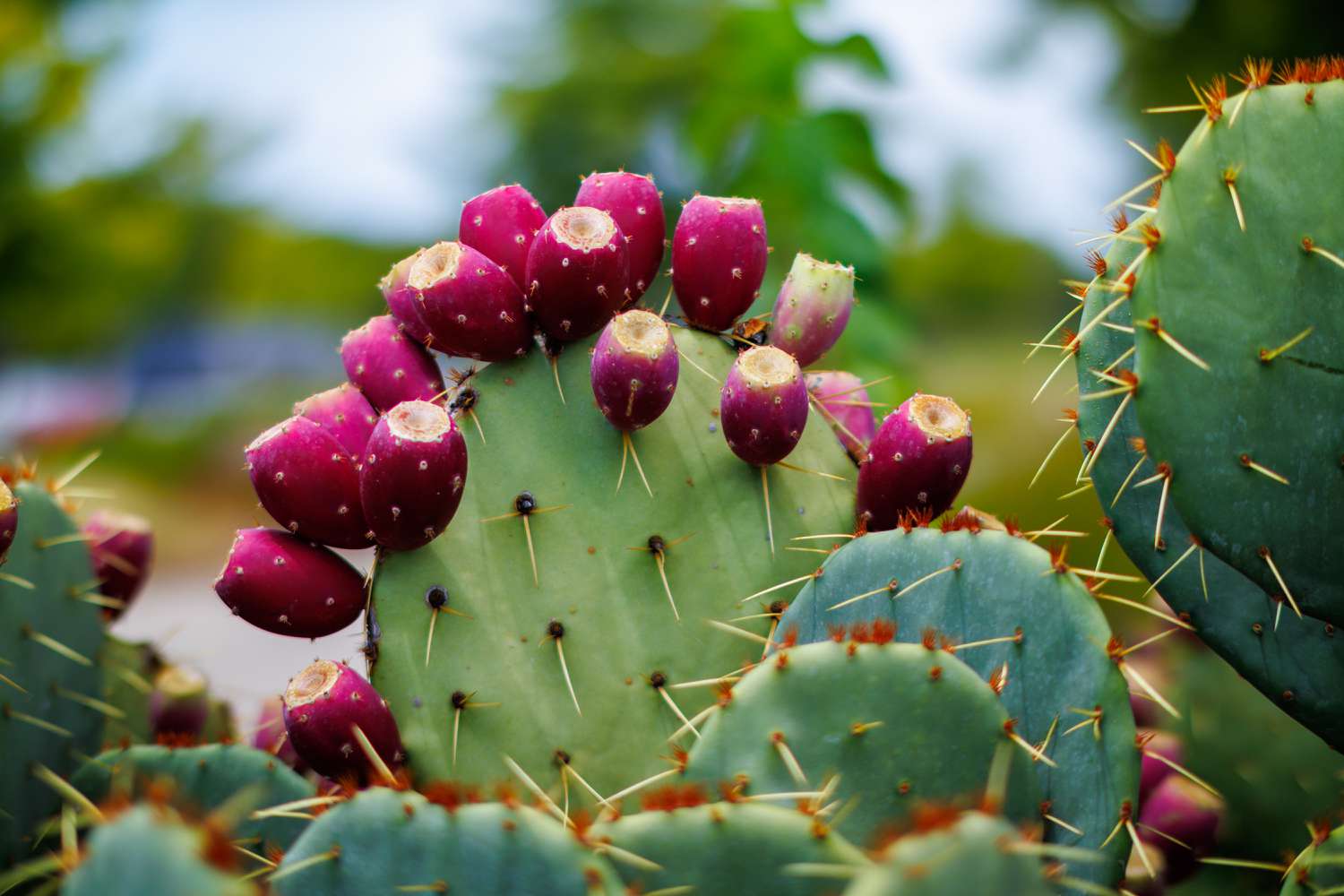
(Opuntia spp.) Cactaceae

Common Names ~ Description ~ Identification ~ Habitat & Range ~ Behind the Name ~ Harvesting ~ Uses: Medicinal, Edible, Magical, Cultural, Dyes, Historical ~ Ecology: Pollinators, Wildlife, Pests, Parasitic, Symbiotic, Invasive Tendencies ~ Gardening: Propagation, Companion Planting, Pruning ~ Did You Know? ~ Safety ~ Cautions for Pets ~ First Aid for Spines & Glochids ~ Recipes ~ Related Links & References
Common Names
Common names can shift widely from place to place—changing with region, language, local tradition, or simply the way different communities have come to know the plant. Some of the common names for this genus are:
- Prickly Pear — The whole plant & the fruit (on its own)
- Cactus Apple — The whole plant & the fruit (on its own)
- Cactus Pear — The whole plant & the fruit (on its own)
- Indian Fig — The whole plant & the fruit (on its own); Usually refers to O. ficus-indica
- Barbary pear — The whole plant & the fruit (on its own); Usually refers to O. ficus-indica
- Indian Pear — The whole plant & the fruit (on its own); Usually refers to O. ficus-indica
- Cow’s Tongue Prickly Pear = O. engelmannii var. linguiformis
- Beavertail Cactus
- Paddle Cactus
- Opal Cactus
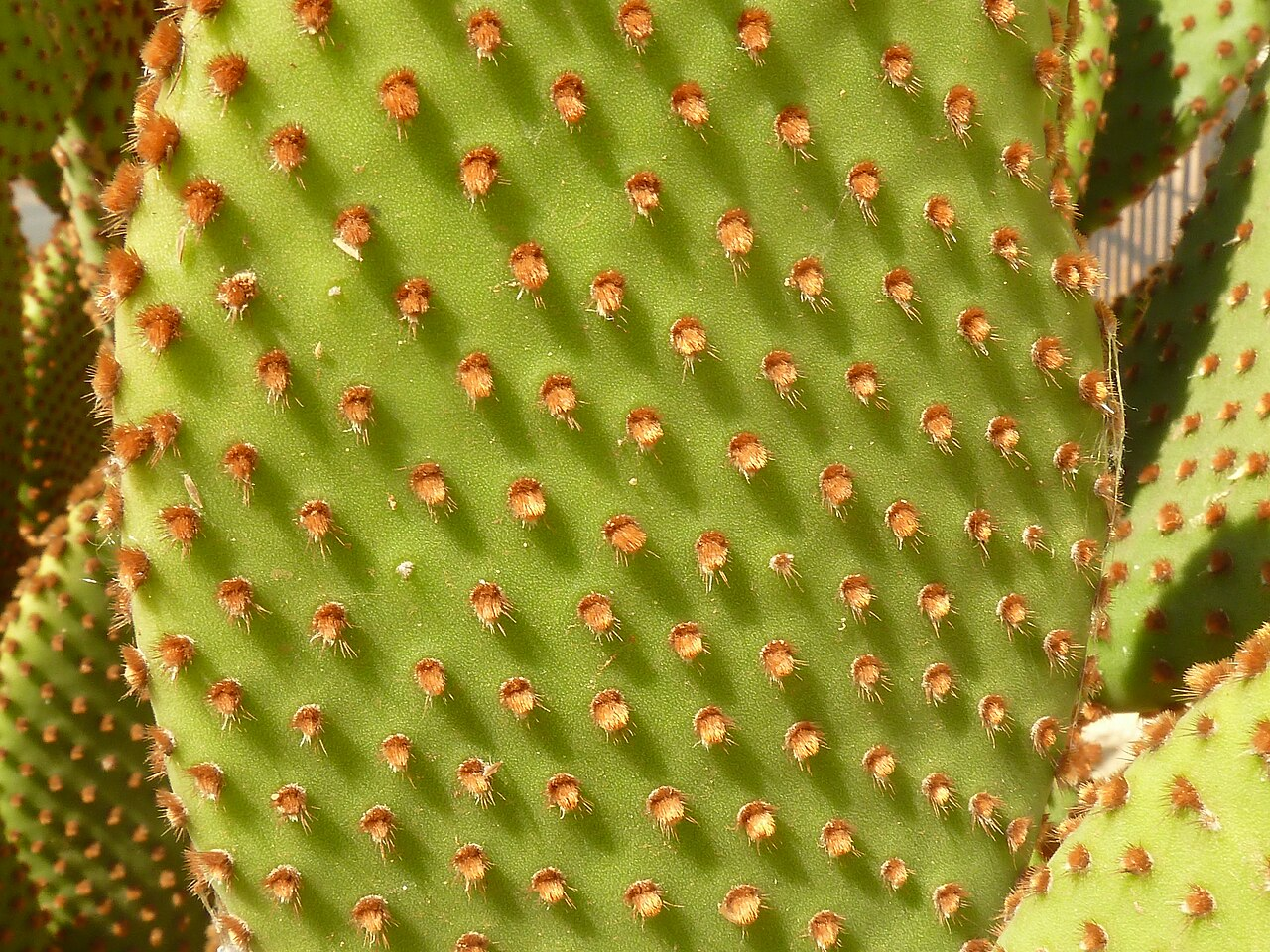
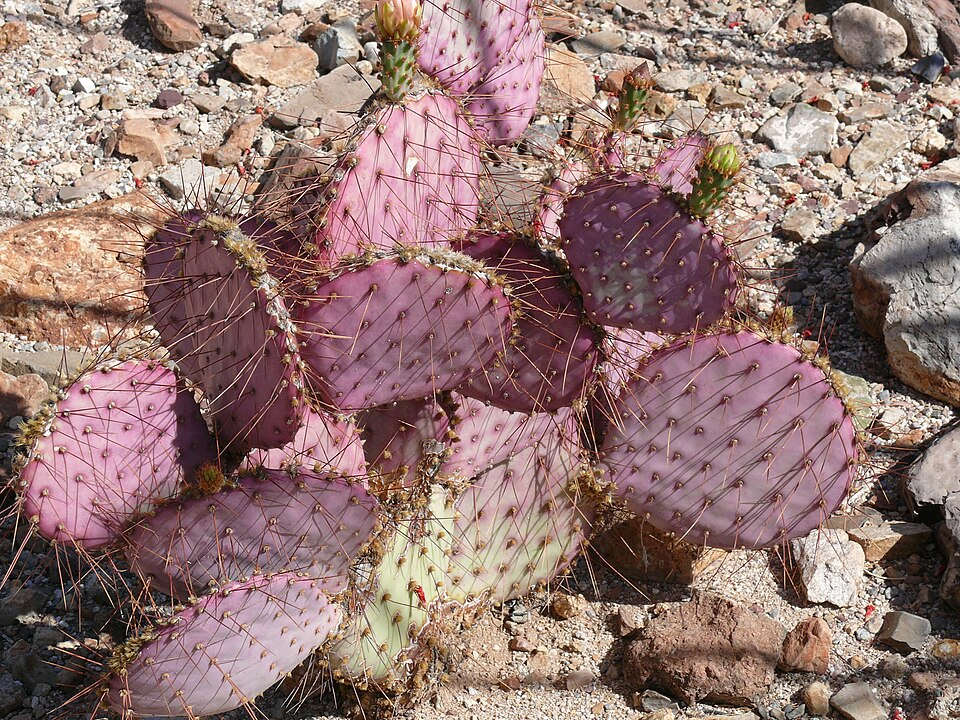
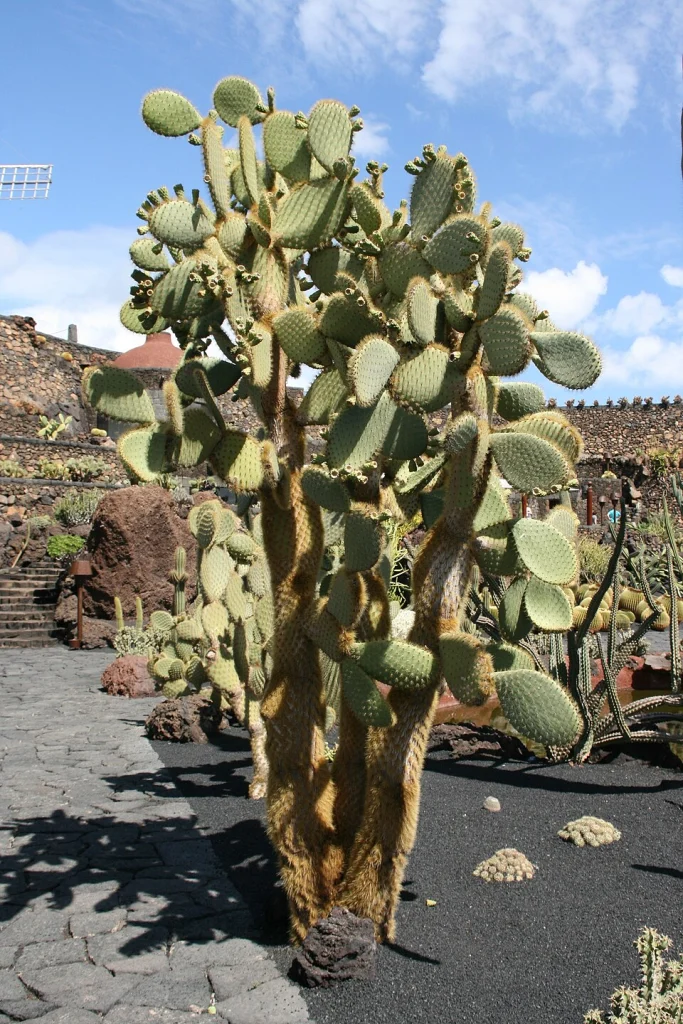
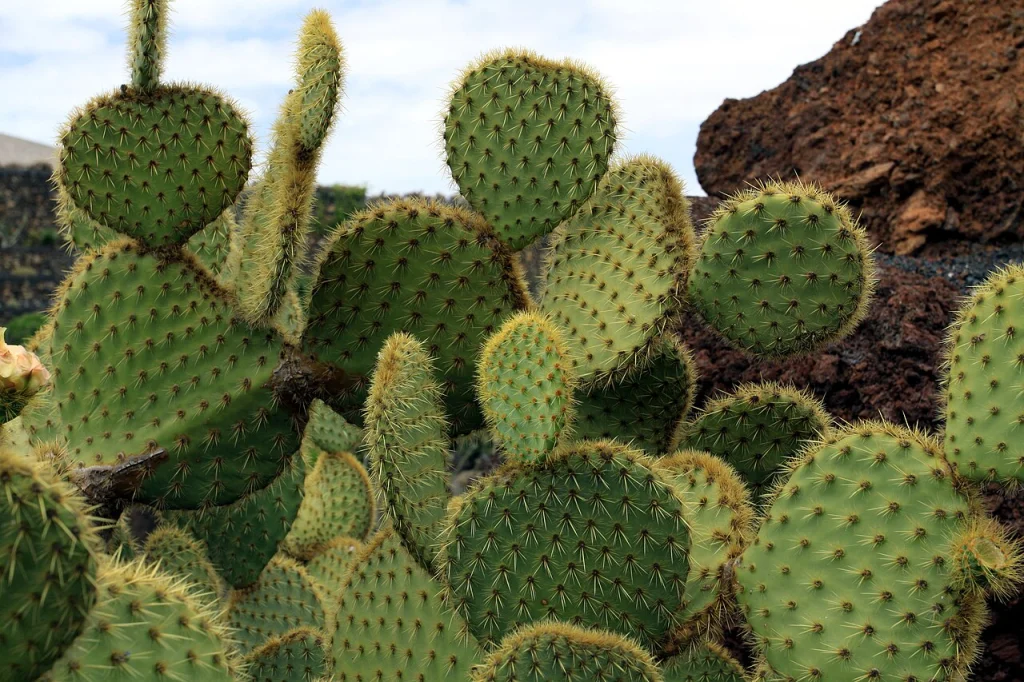
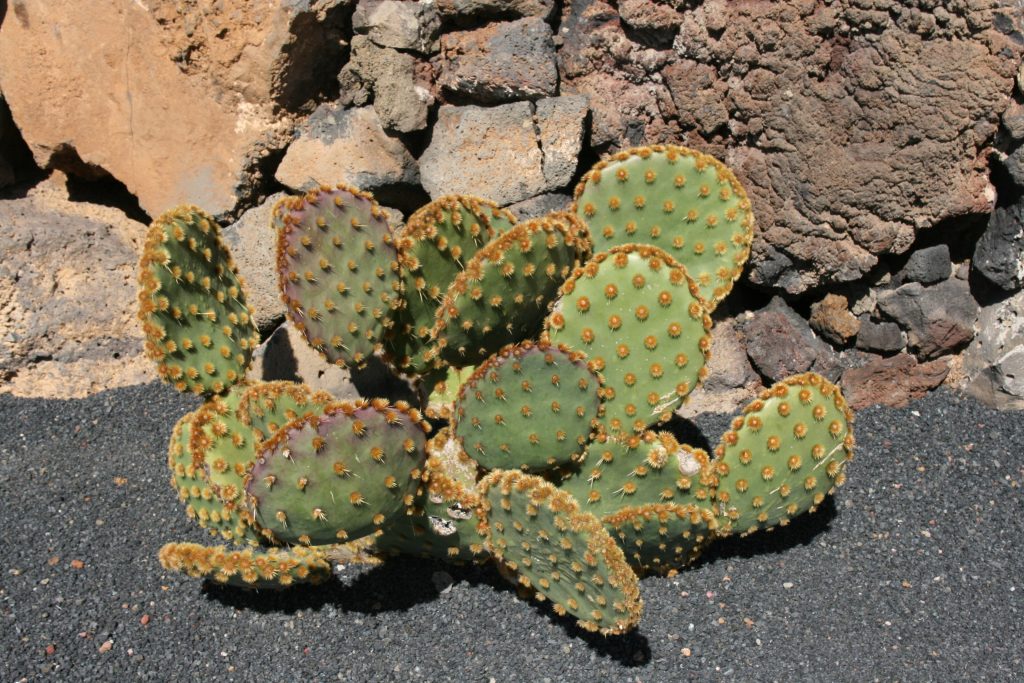
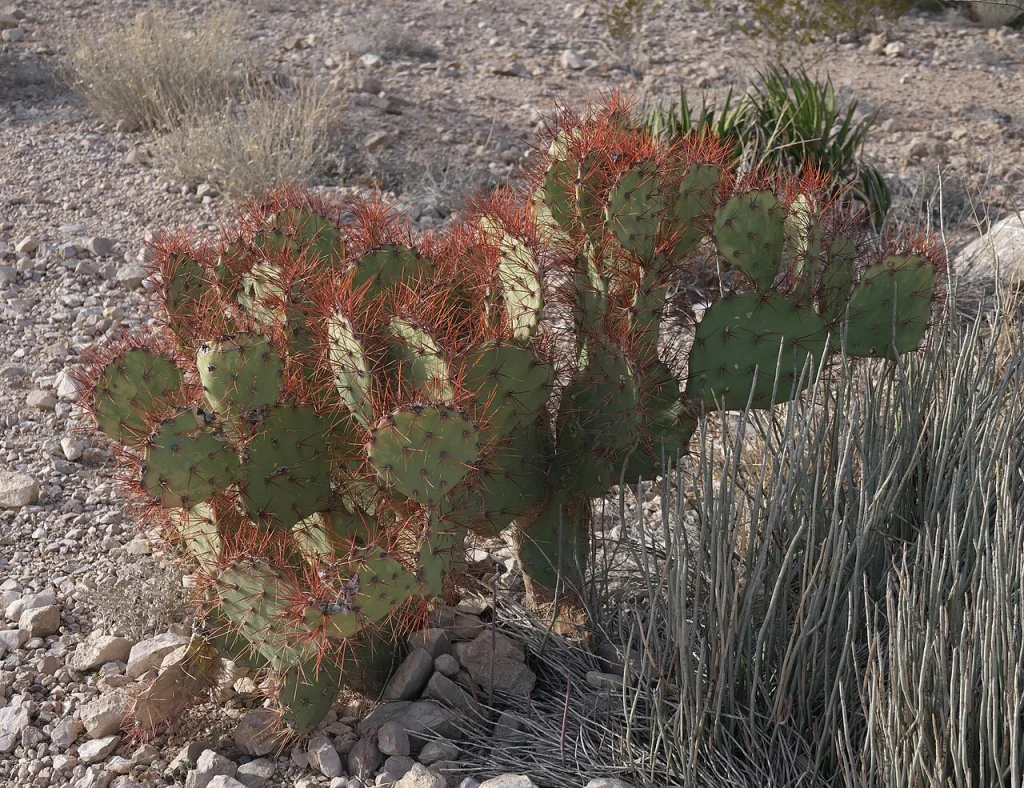
- Blind Prickly Pear or Cow Blinder = O. rufida (see picture). There are no large spines on this species, but instead an abundance of brown glochids that easily detach and blow in the wind – potentially into the eyes.
- Nopal — A common name in Spanish for Opuntia cacti; can also refer to the paddles or pads; from the Nahuatl word “nohpalli”
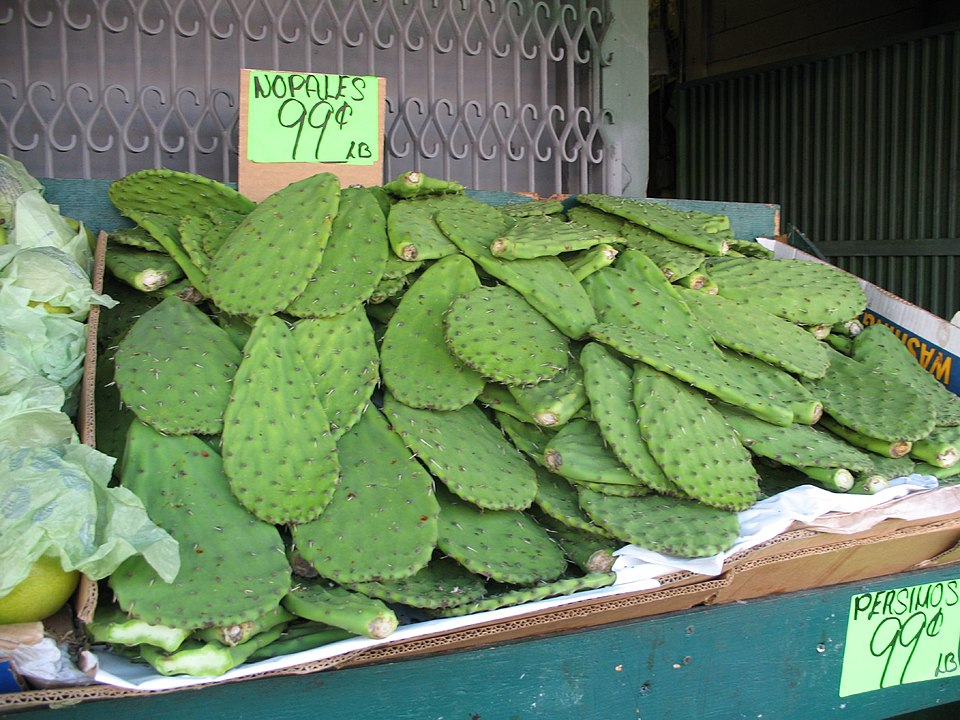
- Nopales — Mature pads
- Nopalitos — Young pads (more tender)
- Tuna or cactus fruit — The fruit
- Abrojo (spiny plant)
- Vela de Coyote (coyote candle)
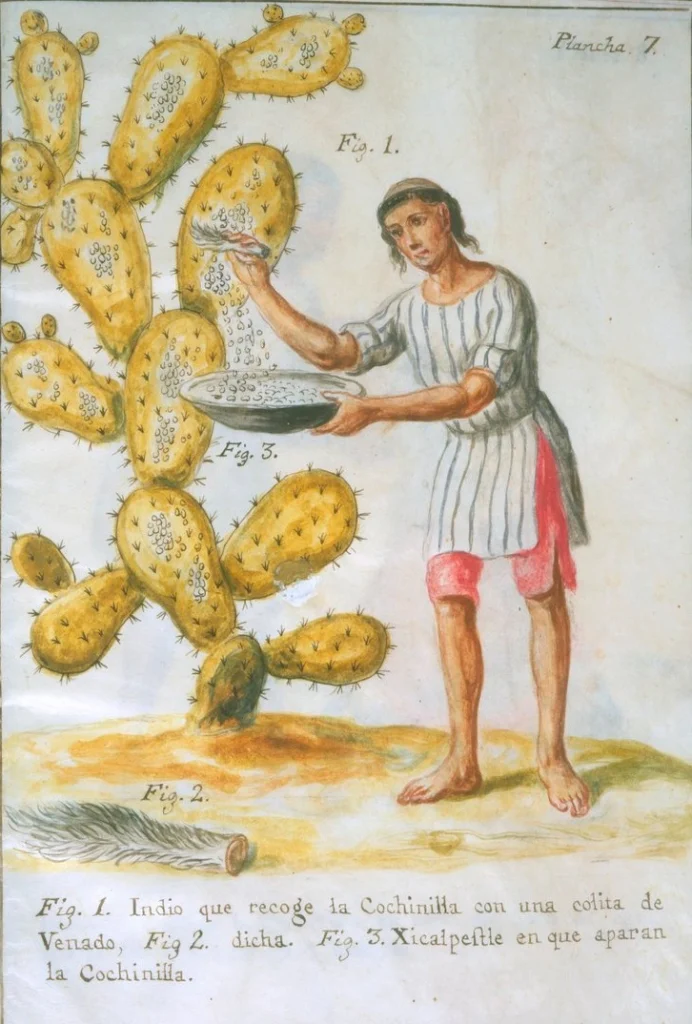
- Nocheztli — highly prized red dye obtained from the body of the cochineal insect (Dactylopius coccus) living on some Opuntias. Called grana cochinilla by the early Spanish in Mexico, now called cochineal
- Nochtli — Opuntia fruit
- Tenochtli — sacred Opuntia in early Mexico
Description
The Opuntia genus—the familiar prickly pears—is the largest group in the entire cactus family, with about 300 Opuntia species and 10 naturally-occurring hybrids recognized worldwide. In Mexico about 104 species and varieties are found, and 100 species grow in the United States, occurring in every state within the continental United States, especially across the Southwest. Texas, New Mexico, and Arizona form the “big three” strongholds for Opuntias, with Texas alone supporting 20-25 species. In fact, Texas hosts more than 100 species of wild cactus overall, more than any other state. Yet it’s the resilient, edible, and endlessly useful prickly pear that remains the best‑known cactus to most Texans.
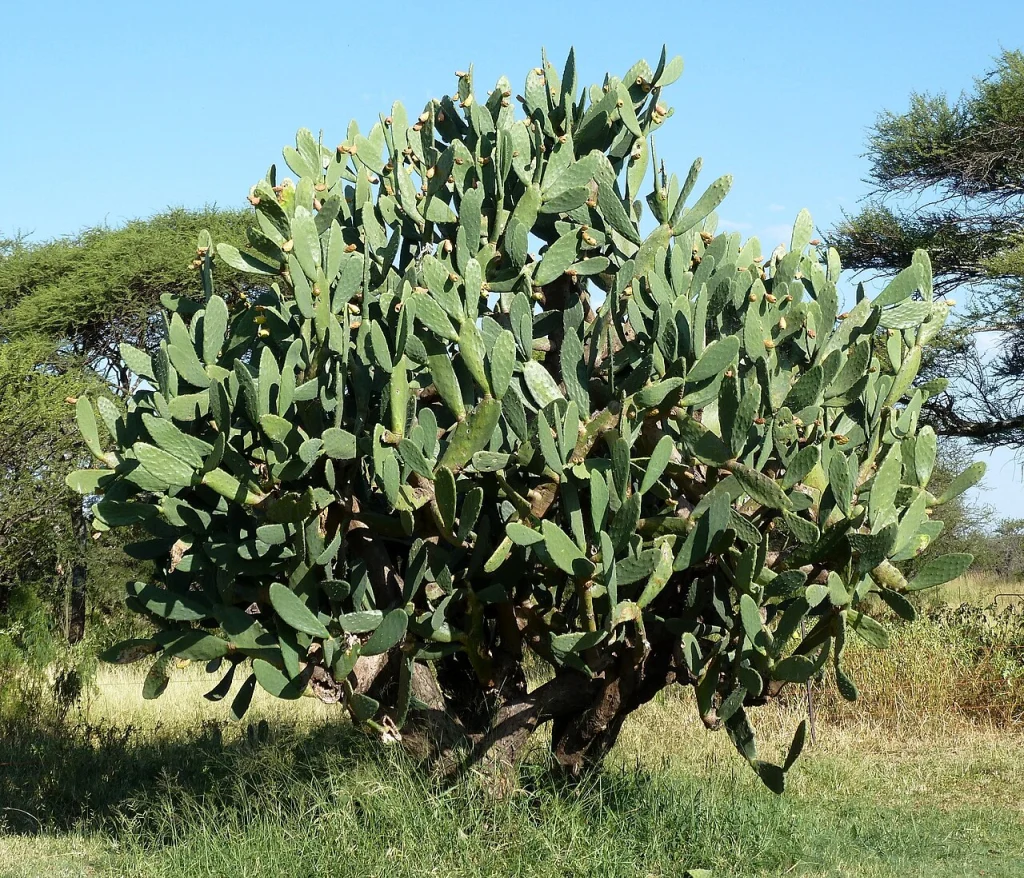
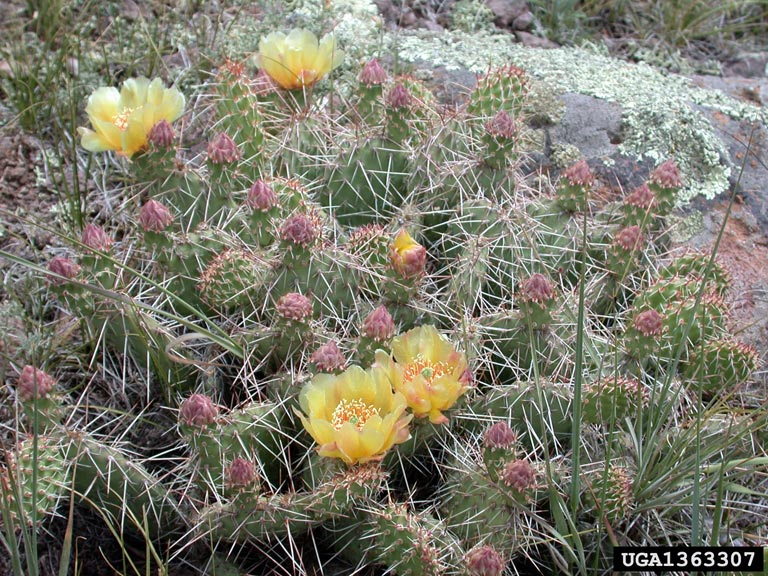
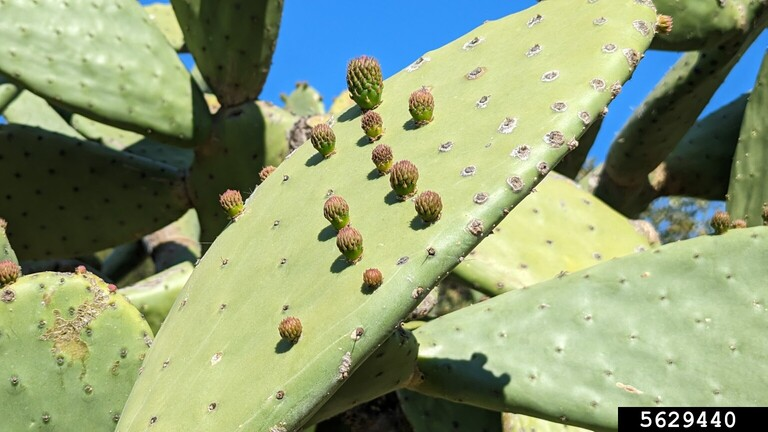
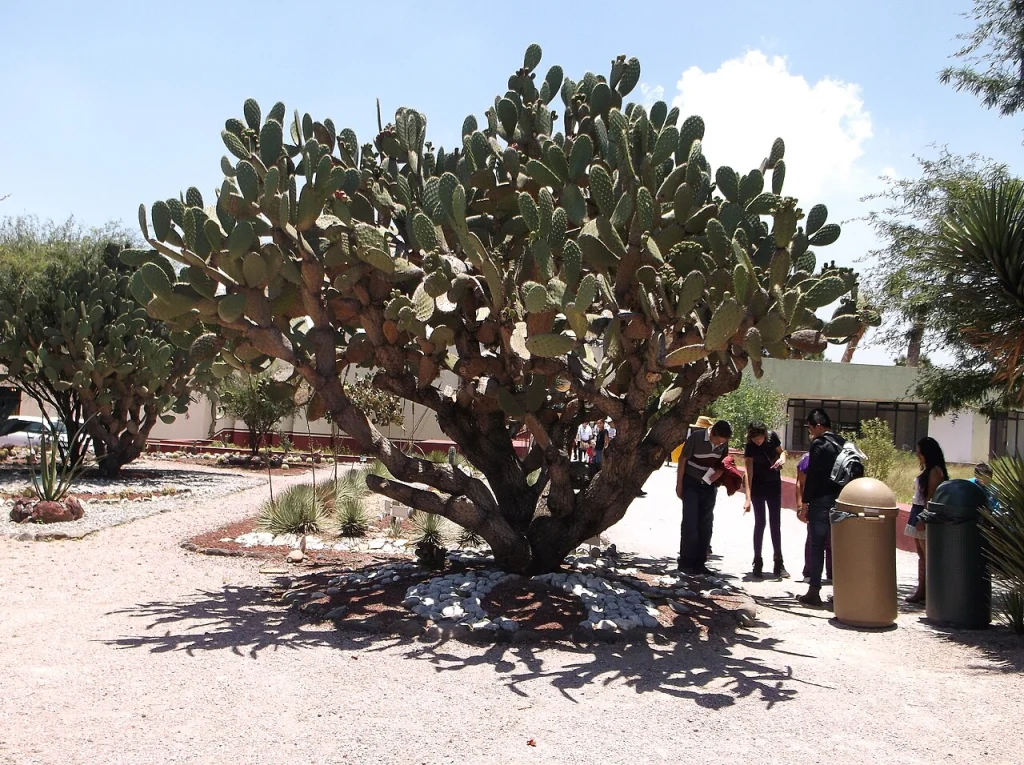
Opuntia is an attractive, variable genus with forms ranging from a spreading shrub to a 16-foot (or more!) tree-like cactus recognized by its flattened pads (cladodes), showy flowers, and brightly colored fruits. The pads are jointed, often oval or round, and covered in both long spines and tiny glochids that detach easily. Bright yellow to deep red and pink flowers appear in early spring to late summer (depending on climate), blooming along the upper edges of the pads. Below each flower, the red, maroon, or purple nutrient-rich fruits—known as tunas—develop in a short, cylindrical shape. This cactus thrives in full sun and sandy or well‑drained soils, making it a familiar sight in deserts and across Texas landscapes. The prickly pear’s abundance in Texas is likely what earned it the title of Texas’s official state plant—specifically the species Opuntia engelmannii. As a keystone genus, prickly pears support far more life than their abundance alone would suggest—providing food, shelter, and stability that help hold their ecosystems together.
Identification
Identification offers a closer look at the plant’s physical character—its leaves, flowers, stems, roots, seeds, and any unusual traits that help you recognize it at a glance.
Because many Opuntia species readily hybridize, getting a confident ID can be tricky. If the identification keys aren’t leading to a clear answer, it may be worth consulting a botanist for confirmation. However, that is not necessary if you are only searching for a species confirmation for edibility or medicinal purposes—all Opuntia species have the same properties, though palatability may vary from species to species.
- Lifespan: Perennial; The lifespan of a Prickly Pear depends on how it is grown—in the wild it can reach 100 years or more, cultivated under the right conditions it can live 80-100 years, and in commercial cultivation its lifespan is typically 20-30 years.
- Growth Habit: Tree, Shrub, Sub-shrub: clumping, spreading, sometimes forming large colonies; some species can be erect and tree-like with a bark-covered trunk
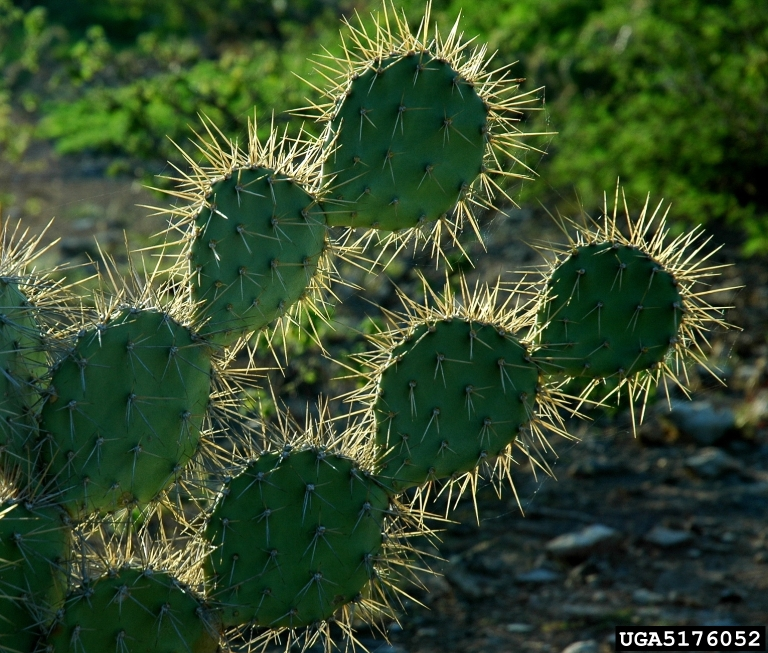
- Thorns: Actually modified leaves, the thorns vary in size (up to 3-inch or more) with each species or can even be absent; At the base of the large thorns there are fine, hooked spines called glochids that readily detach and are difficult to remove.
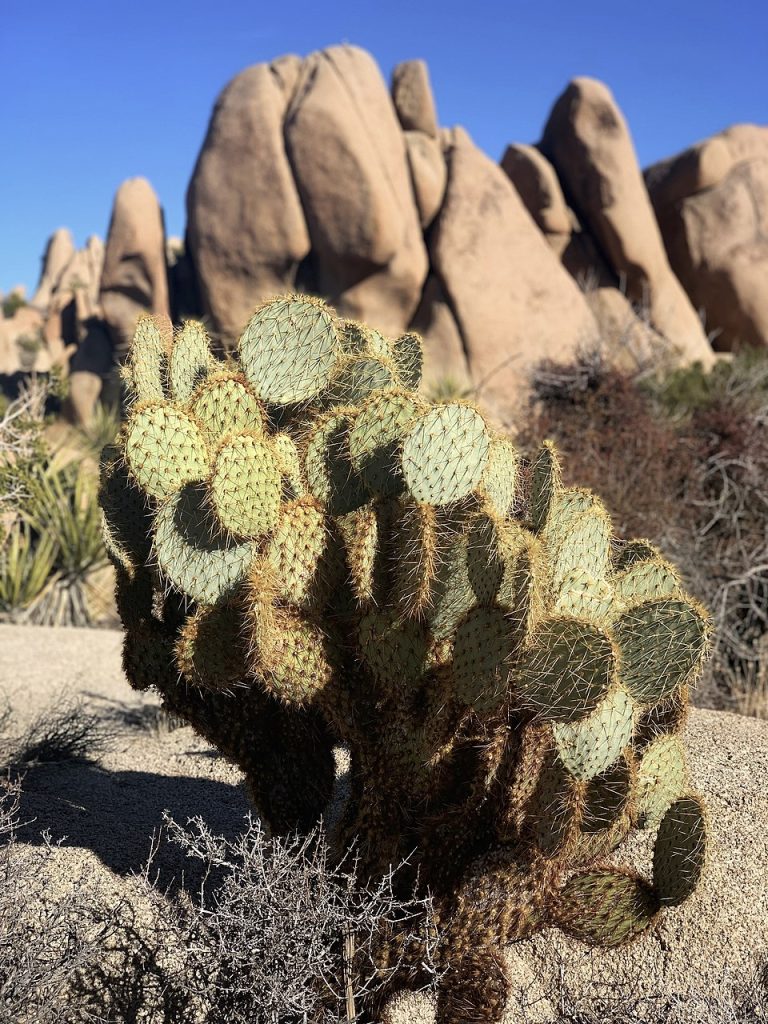
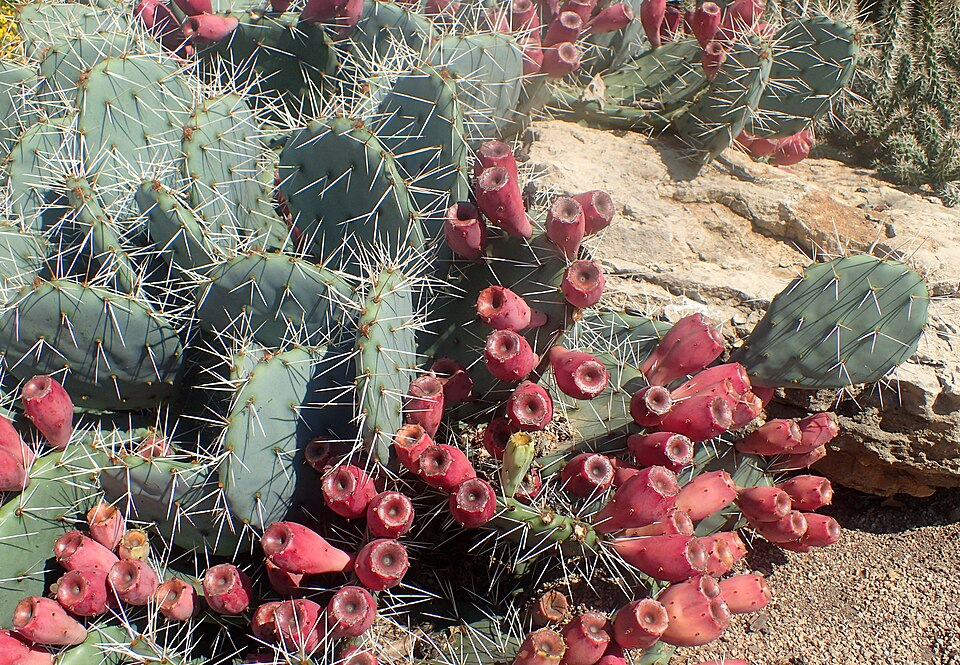
- Stem: Modified stem; Waxy, flattened, oval, jointed, green to blue‑green or red-tinted, even purple (see picture) in some species; As with most cacti the photosynthetic stem acts as leaves, flower producers and water storage. Many Opuntia species bear pads studded with sharp spines that arise from areoles—small, light‑ to dark‑colored bumps unique to cacti. Areoles or “eyes” are modified branches that can give rise to thorns & glochids, flowers, additional branches, and, when present, leaves, and they serve as a key diagnostic feature distinguishing cacti from other succulents. While not every Opuntia has prominent spines or obvious areoles, most do have glochids—tiny, barbed, hair‑like prickles that sit at the base of the larger thorns, are near invisible in the skin and difficult to remove.
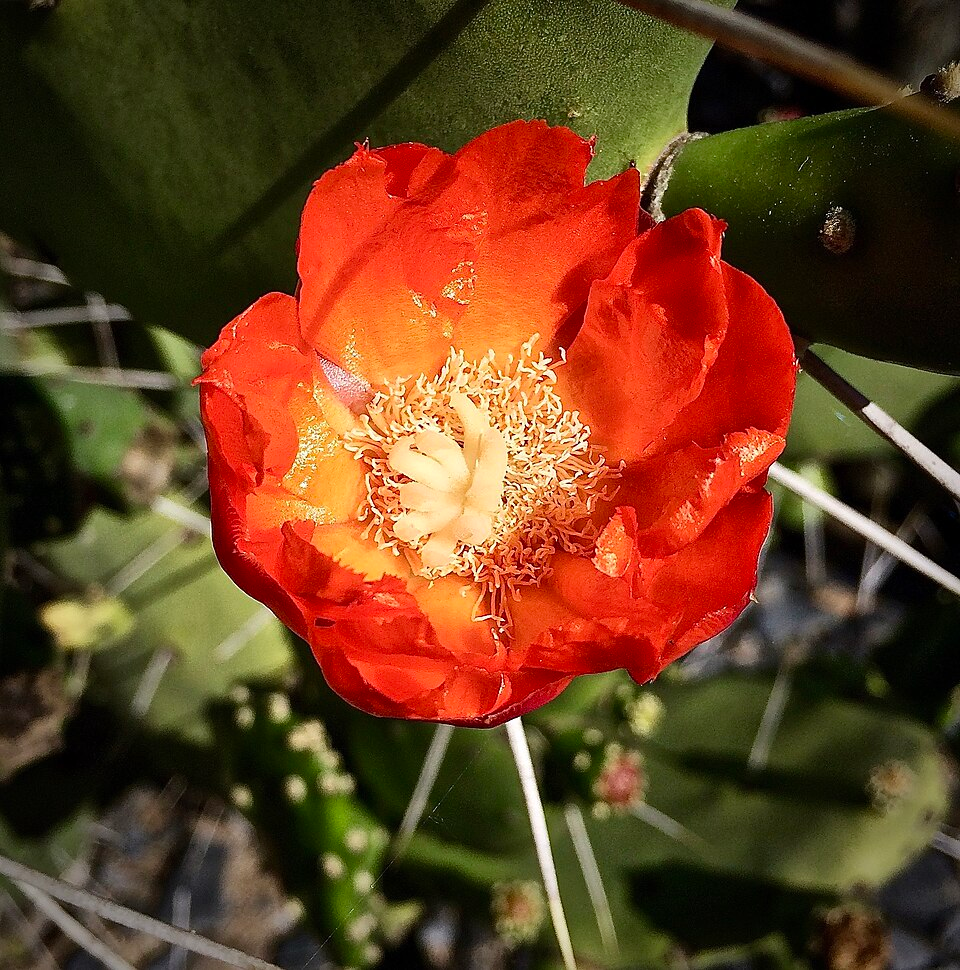
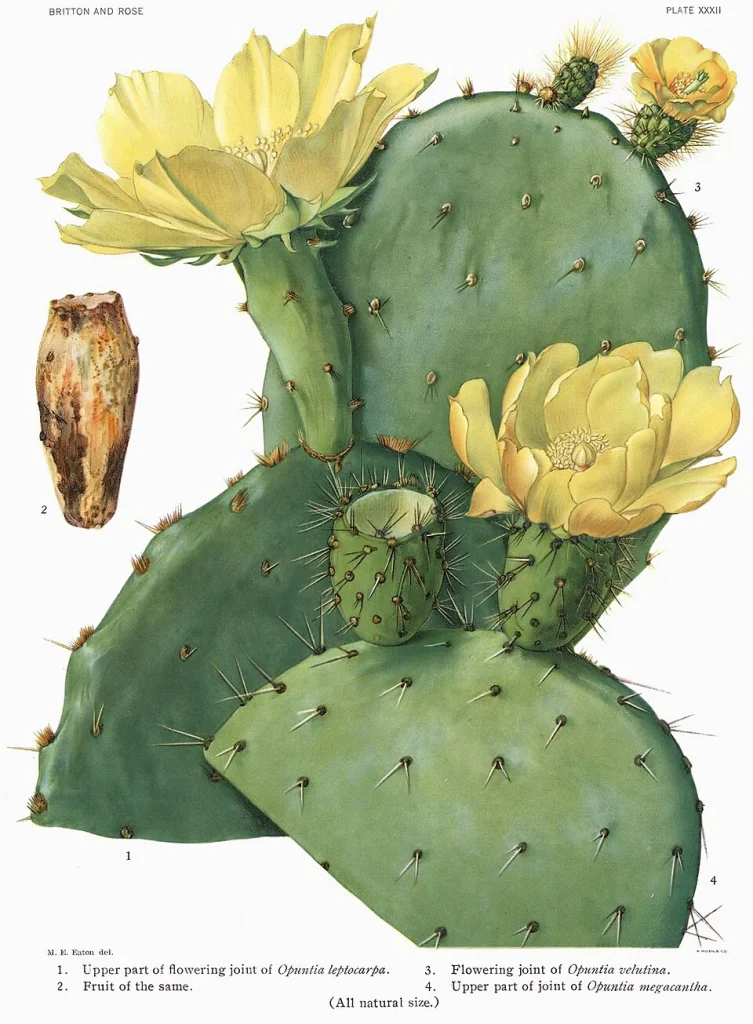
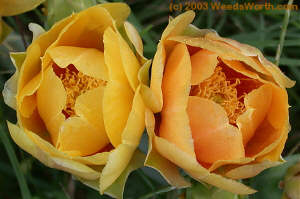
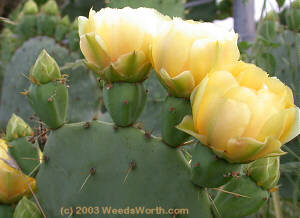
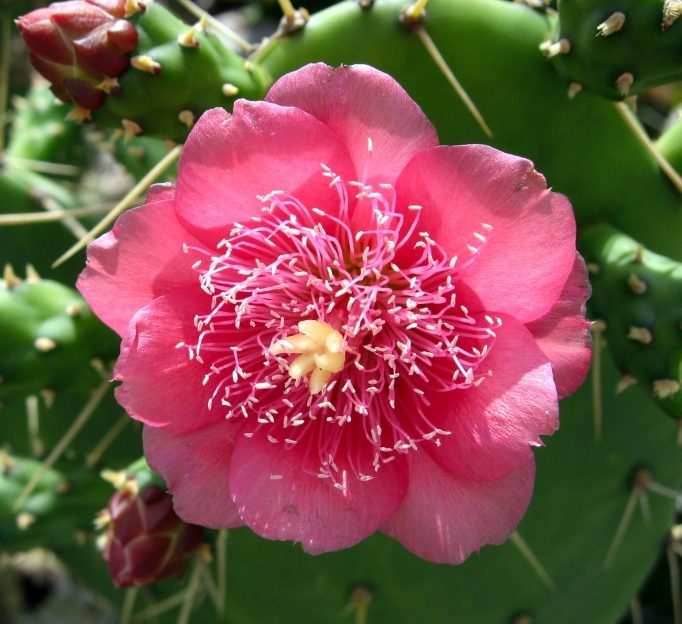
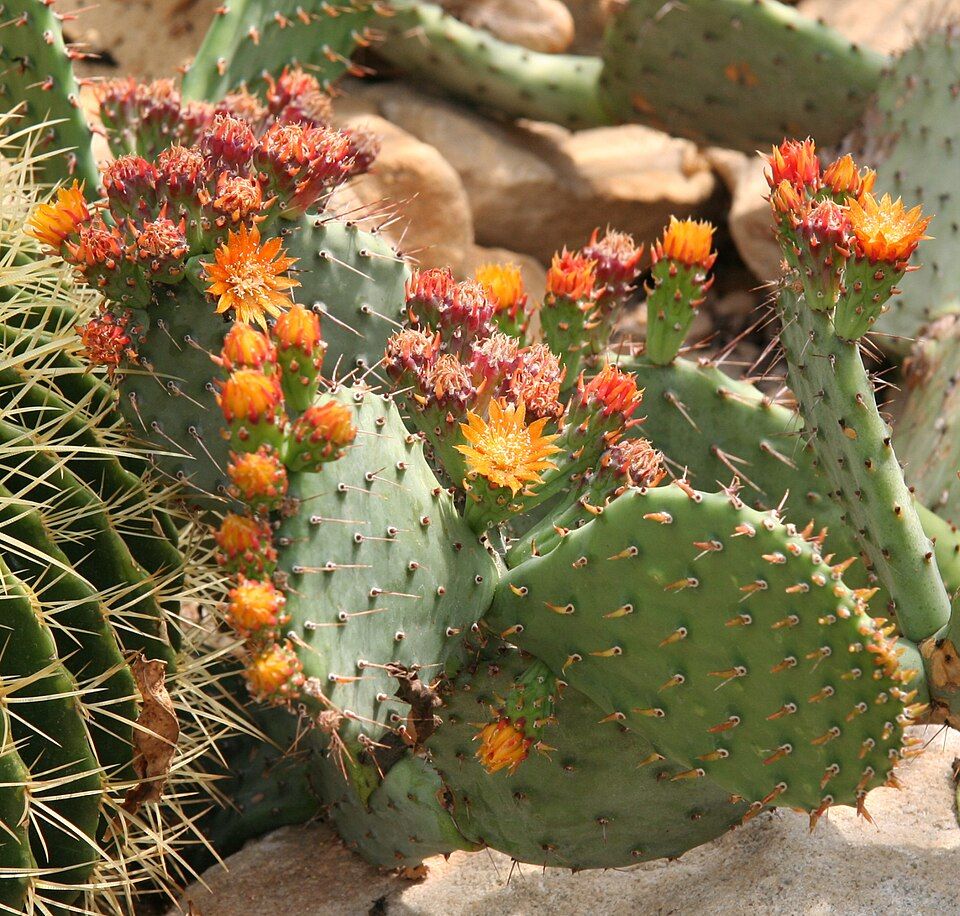
- Flower: The cactus blooms along the upper edges of 1 to 2 year-old pads; symmetrical, edible and multi-petaled flowers range in color from yellow to orange, pink to red, or sometimes bicolor (depending on the species); Inferior ovary (fruit develops below flower); Open in late morning; Leaves a large scar on top of the fruit when it falls off
- Bloom time: Early spring to late summer; Most Opuntia flowers remain open for 1 to 2 days. Bloom time is dependent on the climate and species.
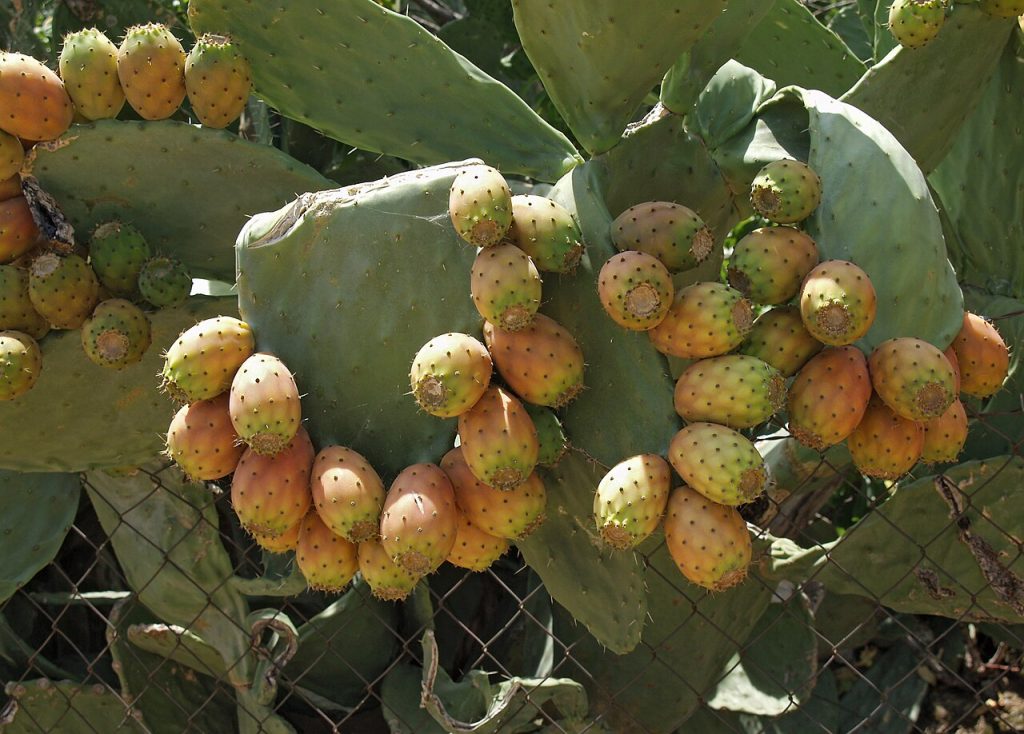
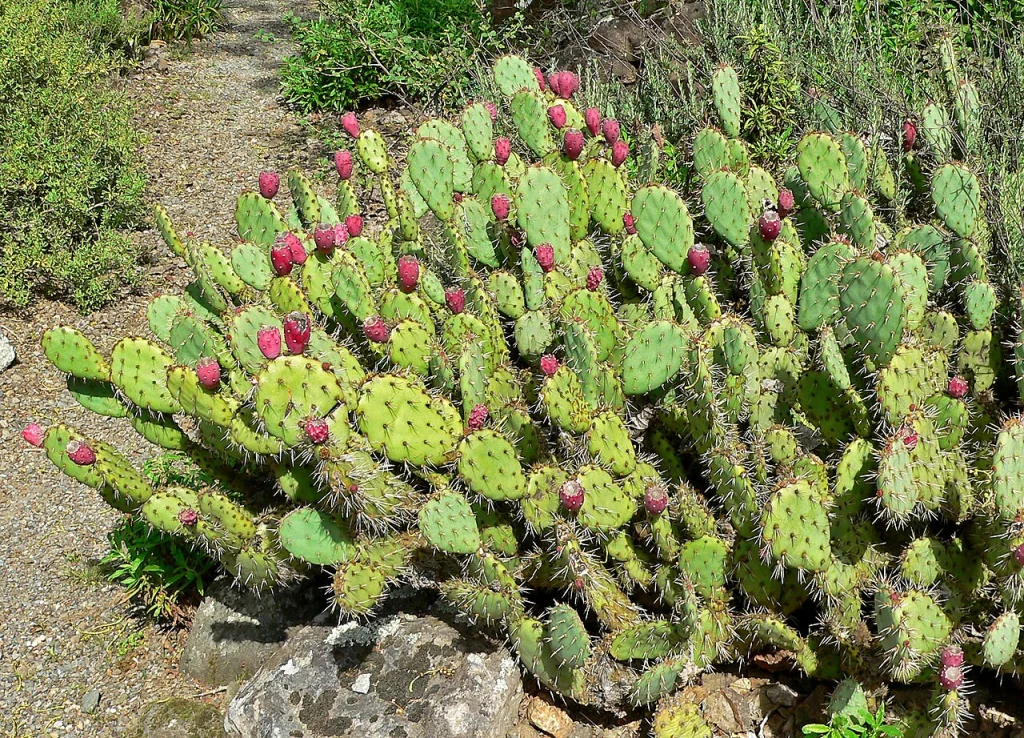
- Fruit/Seed: A 2- to 3-inch (sometimes 5), sweet, nutrient-rich berry that appears as a single fruit; Ovoid to club-shaped; Ranging in color from deep red, purple, or orange when ripe (depending on the species); The tough-skinned fruit can be full of as many as 300 hard, edible seeds.
- Fruiting time: Fruits ripen in late summer and are persistent throughout winter. Some species hold their fruit longer than others
- Root: Fibrous, shallow and extensive allowing absorption of the tiniest amounts of moisture
Habitat & Range
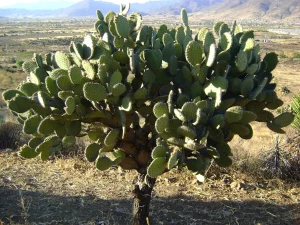
A plant’s natural home offers a quiet map to its needs. Its habitat hints at the soils it’s rooted in, the light it leans toward, and the moisture it’s accustomed to. Its range tells you the temperatures it can weather and the climates where it feels most at ease. Understanding where a plant comes from helps you recreate the conditions where it can truly thrive in your garden.
Prickly pear grows throughout the Americas, especially in: coastal prairies; sandy soils; deserts; open grasslands; roadside edges; dry, sunny fields. It is highly drought‑tolerant and adapted to heat, salt air, and poor soils.
- Habitat: Arid or semi-arid conditions, deserts and coastal areas
- Range: Native to the Americas from Southern Canada to the tip of South America, elsewhere as a cultivated specimen (private or commercial) or as an invasive species. Due to its high nutritional value, pleasant taste and usefulness it is grown throughout the world (in more than 30+ countries) as food, animal fodder, a cochineal host (for dye as described below) and more.
- Soil type: Well-drained, sandy, poor
- Sun exposure: Full; at least 6 to 8 hours of direct sun daily
- Water requirements: Low; the wide-spread roots quickly absorb even small amounts of rain
Behind the Name
A plant’s scientific name often carries quiet clues about its story—how it looks, where it grows, who first described it, or the person it was named to honor. While synonyms trace how its identity has shifted through time. Together, these pieces offer a small window into the plant’s history and the people who studied it.
Genus
The genus Opuntia is named for the city Opus in Opuntian Locris, ancient Greece. Over 100 species of Prickly Pear (Opuntia genus) are found across the United States, including both native and introduced—Texas alone supports 20-25 species. The Opuntia genus has a significant economic impact, with Mexico being the largest producer and consumer of Opuntia spp. worldwide. The genus is recognized for its nutritional, medicinal, pharmaceutical uses, with its bioactive compounds such as pigments, vitamins, flavonoids, and phenolic compounds shining bright.
Classification
In 1753, Carl Linnaeus grouped all cactus species into a single genus, Cactus, in his landmark work Species Plantarum. Just a year later, in 1754, Scottish botanist Philip Miller reorganized the group into several genera—including Opuntia—using flower and fruit morphology to distinguish them. Following extensive molecular and phylogenetic revisions over the centuries, 150-180 species are now recognized within this lineage.
Taxonomy placement:
Kingdom: Plantae
Clade: Tracheophytes
Clade: Angiosperms
Clade: Eudicots
Order: Caryophyllales
Family: Cactaceae
Subfamily: Opuntioideae
Tribe: Opuntieae
Genus: Opuntia
Harvesting
Harvest times shift slightly depending on the cactus’s location, yet the general estimates remain reliable. The young, nutritious pads can be gathered in spring, when they’re still tender and relatively low‑spined. Older pads are edible and nutritious as well, though firmer and armed with larger, tougher spines, and they can be taken at any time of year. When gathering flowers in the early spring to early summer, you will want to use them quickly after harvesting. Fruits ripen from late summer through winter, and it’s best to wait until they’re fully ripe to avoid a sharp, sour flavor. The delicate flowers have a subtle flavor and should be harvested when fully open and used as quickly as possible.
Take care when harvesting and preparing the fruit, nopales, flowers and buds as they’re covered in spines and fine, downy glochids. Harvest into potato or flour sacks to catch many of the spines, and protect yourself with leather gloves and sturdy, thick pants; apply insect repellent around your ankles and tuck pants into socks to reduce tick risk. Gently twist the fruit off the pad, and use a sharp knife to cut pads from the plant to avoid damage. Some people roll their harvest in sand, brush it with dried grasses to remove spines, or rubbing off the hairs using a rock, and any remaining glochids can be rubbed off under running water while wearing rubber gloves.
Harvest Responsibly: If you decide to harvest from the wild, do so responsibly. Avoid overharvesting and take only small amounts from any one area. Local wildlife and the surrounding ecosystem rely on these plants and their fruit far more than we do. Harvest lightly so the cactus can continue to thrive—and so there’s plenty left to gather in the years ahead.
For preparation and recipes, visit the Recipes section.
There are no poisonous look-alikes of the Prickly Pear. All members of the Opuntia genus are edible and most are nutritious, though not all may be equally palatable. Closely related Cholla cacti (Cylindropuntia spp.) have cylindrical stems and edible parts.
Uses
Indigenous populations have long used Prickly Pear for food, medicine, dye, and more. It has been cultivated in Mexico since pre-Hispanic times and was significant in the Aztec civilization. Its long history of use, paired with growing modern research, highlights its potential to support overall wellness and help guard against a range of health concerns. Prickly pear is a remarkably versatile plant whose many traditional and scientifically supported benefits make it a true “la planta del vida” (the plant of life) as it has been called for centuries by indigenous populations in Mexico.
Medicinal
Nutritional Foundation
Prickly pear is nutrient‑dense yet low in calories and carbohydrates: a single fruit supplies about 24% of the daily vitamin C recommendation, plus notable amounts of calcium, magnesium, potassium, copper, and only 42 calories. It contains 9.9 g total carbohydrates (including 3.7 g fiber) and small amounts of vitamin A, B6, niacin, thiamin, iron, and selenium. These vitamins, minerals, soluble fibers, polyphenols, amino acids, and other antioxidants form the basis for many of the plant’s traditional and studied health effects.
Key Active Compounds and How They Work
Betalains
Prickly pear fruit is uniquely rich in betalains, the red pigments also found in beets. Researchers have identified 24 naturally occurring betalains, and the prickly pear fruit is the only known source of the full range. Betalains are highly bioavailable (easily absorbed) and act as potent antioxidants and anti‑inflammatory phytochemicals. They help protect cells from oxidative damage and toxins, support cellular resistance to infection, and have shown antimicrobial activity in laboratory studies. The Prickly Pear’s powerful antioxidant profile has also been shown to trigger apoptosis (programmed cell death) and slow the growth of several cancer cell types, including colon, prostate, leukemia, breast, and ovarian. These early findings point to potential roles in cancer prevention or therapy, yet well‑designed human studies are still needed to determine safe, effective use.
Other phytochemicals
Carotenoids, flavonoids, polyphenols, and viscous mucilage (soluble fiber) complement betalains by supporting antioxidant defenses, modulating inflammation, and slowing carbohydrate absorption.
Reported and Traditional Uses
Cardiovascular support
- Cholesterol management: Soluble fiber and polyunsaturated fats in prickly pear can help lower LDL (bad) cholesterol and support HDL (good) cholesterol, reducing cardiovascular risk factors.
- Blood clot risk: Antioxidants and anti‑inflammatory compounds protect the vascular lining and may reduce platelet stickiness and clot formation.
Metabolic and glycemic effects
- Blood sugar control: Viscous soluble fibers (mucilage in pads) slow absorption of simple carbohydrates, which may help blood glucose levels.
- Weight management: Low calorie density and fiber content can support satiety and weight control when included in a balanced diet.
Liver, detox, and hangover relief
- Protective liver effects: Antioxidants in the cactus fruit and pads have been associated with protection against liver toxins and may lessen hangover symptoms.
Digestive and gut health
- Gastrointestinal relief: Traditional preparations and recent observations link prickly pear to improvements in bloating and abdominal discomfort, possibly by positive shifts in the gut microbes.
- Ulcer and stomach soothing: Flower teas and other folk remedies have been used to calm the stomach.
Immune, anti‑inflammatory, and neuroprotection
- Immune support: Vitamins and phytochemicals may bolster immune function.
- Inflammation‑related conditions: Anti‑inflammatory activity is relevant to arthritis, inflammatory bowel conditions, coronary inflammation, and many other chronic inflammatory states.
- Neuroprotection: Antioxidant protection of neurons suggests potential benefits for cognitive health and managing nerve issues. The extract has been studied for its potential to ease neuropathy‑related discomfort, including pain, numbness, and tingling.
Wound care and urinary uses
- Topical hemostat: Split cactus pads have been used traditionally to staunch bleeding and aid wound healing.
- Urinary tract: Infusions of pads are used in folk medicine for urinary complaints.
Other traditional uses
- Diuretic: Historically used to encourage urination and reduce water retention.
- Respiratory and allergy support: Traditionally used for asthma and allergy relief.
- Men’s health and general well‑being: Used for prostate support and general tonic effects.
Prickly pear flower tincture is valued for its antioxidant, anti‑inflammatory, and antimicrobial properties. Naturally rich in essential fatty acids—particularly omega‑6 and omega‑9—as well as vitamin E, it’s often used to support the skin’s resilience against environmental stressors like pollution and sunlight. Many traditional practices also use it to promote hydration, brighten the complexion, and ease the appearance of dark circles. In folk herbalism, the flowers may be applied as a poultice to soothe minor sprains, strains, sun exposure, and irritated skin, and are sometimes used to help draw out splinters or irritants.
Prickly pear seed oil contains antioxidants, vitamins E and K, and essential fatty acids. The seed oil’s high oleic acid content helps protect the skin from free‑radical damage while providing balanced hydration and rejuvenation. With regular use, it can also support a more balanced skin tone and help reduce the appearance of dark circles and puffiness. It is beneficial for dry, brittle, and weakened hair and nails. The oil is quickly absorbed into the skin, leaving no oily residue. The oil is considered a carrier oil and can be applied directly to the skin and hair. It’s non‑comedogenic, so it won’t clog pores and works well for all skin types, even sensitive skin. Use it on its own as a daily moisturizer or blend it with other products to boost your routine.
Safety and Notes
Forms and preparation: The plant is used fresh (fruit and pads), as teas or infusions and in culinary preparations. Also, the extract is offered in many over-the-counter forms—such as supplements, gels, juices, and powders—and is generally regarded as a well‑tolerated natural option.
Safety profile: Do not use prickly pear as a substitute for medical treatment; consult a healthcare professional before using it to manage chronic conditions, especially if you take medications for diabetes, blood pressure, or blood clotting. Take any medicines two hours from using prickly pear since it can hinder the absorption of medicine. See full Disclaimer.
Edible
Prickly pears are grown as a food crop in Mexico, USA, Spain, Italy, India, Chile and other locations. They are a very good crop because all parts of all species of Opuntia are edible and nutritious—the flat paddle-like stems, the fruit and seeds, and even the flowers—though palatability can be questionable on some species.
The flat pads make a great, nutritious cooked vegetable when they’re young and tender. At this stage, they’re called nopalitos. Their flavor is mild, and their texture is slightly slippery, much like okra, giving soups and stews a natural thickening boost, or salads an interesting texture. The older pads are edible and nutritious as well, though they have insoluble calcium oxalate crystals which can cause health problems if eaten frequently or in large quantities. If you must eat them do so only sparingly and remove the tougher, outer cuticle and any fibrous tissue first.
The fruit is delicious eaten raw out of hand, in salads, made into jellies, preserves, wines or other fermented drinks—or used as you would any tasty, healthy fruit. The skin of the fruit is also edible once cleaned.
The subtly-flavored flowers are also edible though less frequently utilized than the pads and fruit. Rich in natural sugars and flavonoids the flowers can be used in teas, salads, or any way you would use an edible flower.
The seeds can be eaten while eating the fruit, chewing or swallowing, though they are quite hard and sometimes not digested. Even better, the roasted seeds have a nutty flavor and can be ground and used as flour or soup thickener.
For more on prickly pear edibility, see the Recipes section.
Magical
In folk and magical traditions, the Opuntia embodies strength, endurance, hope and resilience, thriving where few others can. Across various cultures, it represents a deep connection to the land, survival against all odds, and hidden beauty. Its thorns are often used in protection workings, symbolizing firm boundaries, the ability to ward off harm, divine protection and a mother’s selfless care. Many cultures view the cactus as a natural absorber of negative energy, making it a steadfast guardian for the home or garden. Beyond its protective qualities, Opuntia is also associated with inviting good fortune and clearing the way for brighter paths ahead.
Divine and Spiritual Guarding: With its fierce spines and its place in ancient lore—most famously in the founding vision of Tenochtitlán—the prickly pear came to be seen as a plant of Divine Protection. In folk tradition, it stands as a steadfast guardian, said to turn aside misfortune, scatter ill‑meaning energies, and keep wandering spirits at bay.
Feng Shui Guardian: In Feng Shui, placing a prickly pear near windows or doorways is thought to guard the home from misfortune and buffer it from unwelcome outside energies.
To carry Prickly Pear’s protective properties with you wherever you go, search on Etsy for “Prickly Pear” and buy some gorgeous jewelry to wear!
As you might expect, the many uses of the Prickly Pear give it a wide range of meanings when it appears in dreams. Still, the true significance of any dream symbol depends on your own relationship with it. For instance, dreaming of a snake doesn’t signal danger or fear for someone who genuinely likes snakes and has kept them as pets (me). Keep this in mind as you explore the possible interpretations of Prickly Pear symbolism—your personal associations will always shape the meaning most. Here is one dream symbolism site I found that is especially expansive and surprised me that it actually had a long article on the dream meanings of prickly pear — Unveiling the Dream Symbolism of Prickly Pears.
Cultural Significance
The prickly pear, or Opuntia, carries deep cultural and historical significance, especially in Mexico. It appears prominently on the Mexican flag, symbolizing national pride, endurance, and a rich cultural heritage. The emblem’s eagle perched atop a prickly pear cactus recalls the founding of the Aztec capital, Tenochtitlán. This enduring image highlights the cactus’s resilience and adaptability—qualities that mirror both the land and the identity of Mexico itself.

Prickly pear has long held a special place in Sicilian lore. Legend says it was brought to the island by the Turks as a weapon meant to harm the population, but through Divine Providence the fruit turned sweet and nourishing—earning its reputation as the “fruit of health.” Historically, it likely arrived in Sicily around the 800s, and over time it became so deeply rooted that today the island produces more than 90% of Italy’s prickly pears and is one of the largest exporters in Europe.
The fruit comes in three classic varieties—yellow (sulfarina), red (sanguigna), and white (muscaredda)—mirroring the vivid colors of the Sicilian landscape. Its image appears everywhere in local culture: in Caltagirone ceramics, traditional painted carts, textiles, and jewelry. For Sicilians, the prickly pear symbolizes resilience, the ability to thrive in harsh conditions, and the spirit of overcoming adversity. It’s also a cherished seasonal food, often enjoyed at breakfast during harvest time and celebrated in festivals across the island.
Dyes
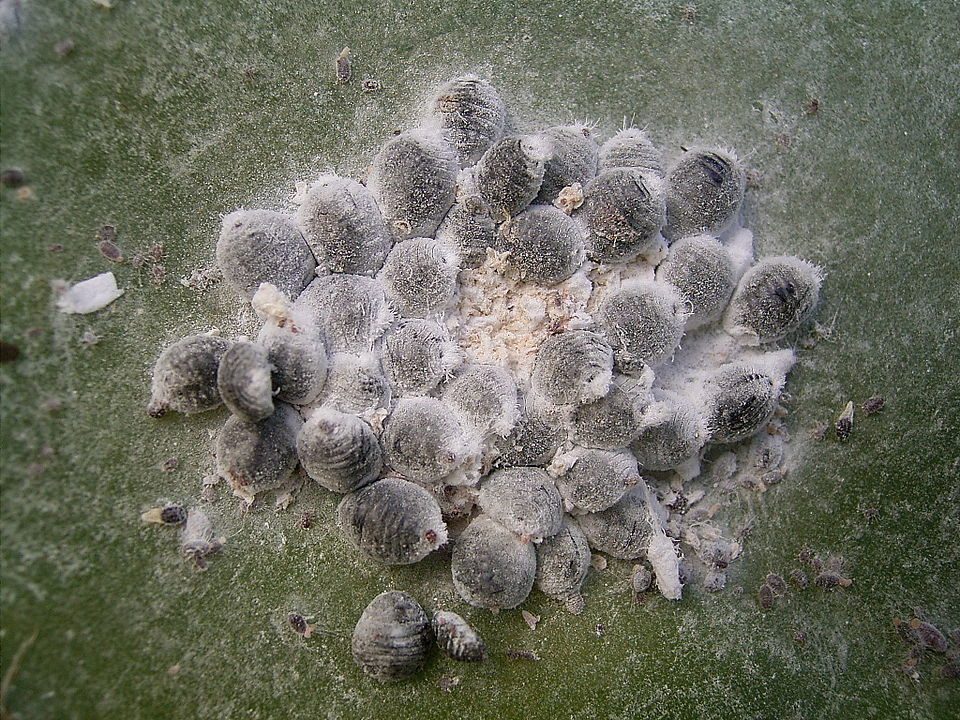
(An original image by Frank Vincentz, CC BY-SA 3.0, via Wikimedia Commons)
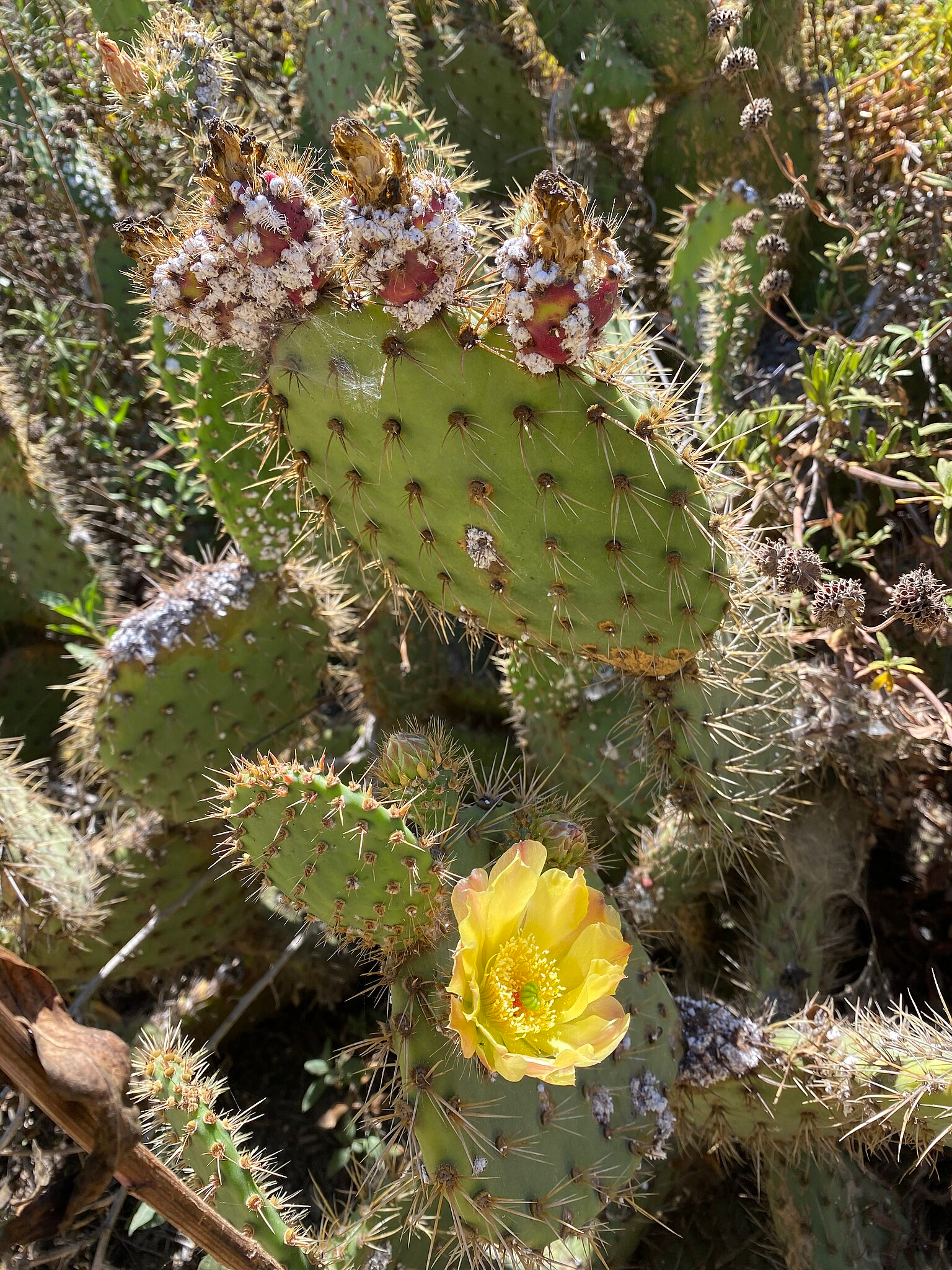
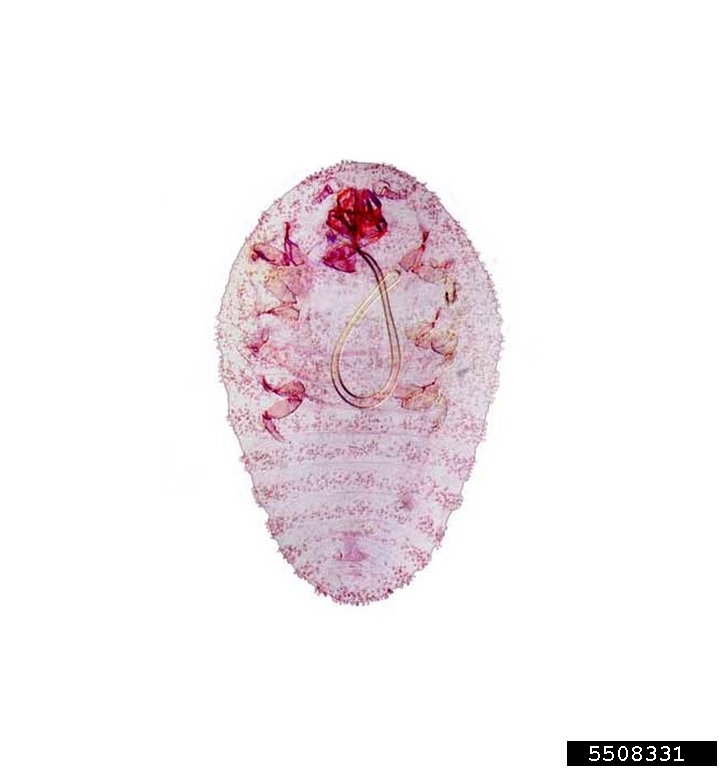
A vibrant red dye is made using the small, parasitic, scale-like insects called Cochineal (Dactylopius coccus) who hide in groups in fluffy white clumps feeding on the juice of the pads of Opuntia cacti. The females and nymphs (see picture) secrete foul-tasting carminic acid to deter predators. This acid is used to make the red dye known as carmine which is used in various applications, including the food industry, cosmetics, textiles, pottery and art. This idea of bug dye being used in food may disgust some, but wouldn’t you rather have a natural dye like this than another red dye made from coal or oil in your food? Unless you’re one of the few allergic to it, cochineal extract isn’t really a health concern.
The vibrant color of the fruit also translates into great dye results and depending on the mordants and processes used you can get many shades of magenta/red or purple. Some really detailed trials dyeing with the fruits are shown on Dyeing with Prickly Pear – Heritage Studies Through Plant Dyes. I also found this old (mid-1930s) pamphlet online called Navajo Native Dyes: Their Preparation and Use. Many native plants (of the Southwest US) are covered—the Prickly Pear dyes begin on page 26.
In rural Mexico, people discovered that prickly pear could be transformed into a remarkably durable, water‑resistant paint—so effective that churches and convents were soon coated in it.
Historical
For centuries, Opuntia has held cultural, nutritional, and practical importance across the Americas. Revered as a national symbol of Mexico—Opuntias are the oldest cultivated plants in Mexico. It has long sustained Indigenous communities throughout Mexico and the southwestern United States. Beyond its role as a traditional food, prickly pear served as a remarkably versatile resource: its spines became needles, awls, and fishhooks; its pads supplied water, makeshift containers, waterproofing juice for rawhide, and mucilage that clarified drinking water; and both pads and fruits were applied to soothe burns and wounds.
Various Native American tribes gathered the fruit, sliced off the ends, sliced the fruits down one side, and dried the pulp in the sun. It was then preserved for use during the winter. They also believed the flowers represented a mother’s love and protection.
Practical Defense: Historically—and still in many areas—prickly pear has been planted as a living barrier, marking property lines and forming protective areas beneath windows to deter both animal and human intruders.
Ecology
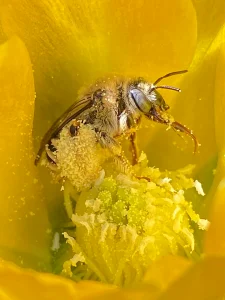
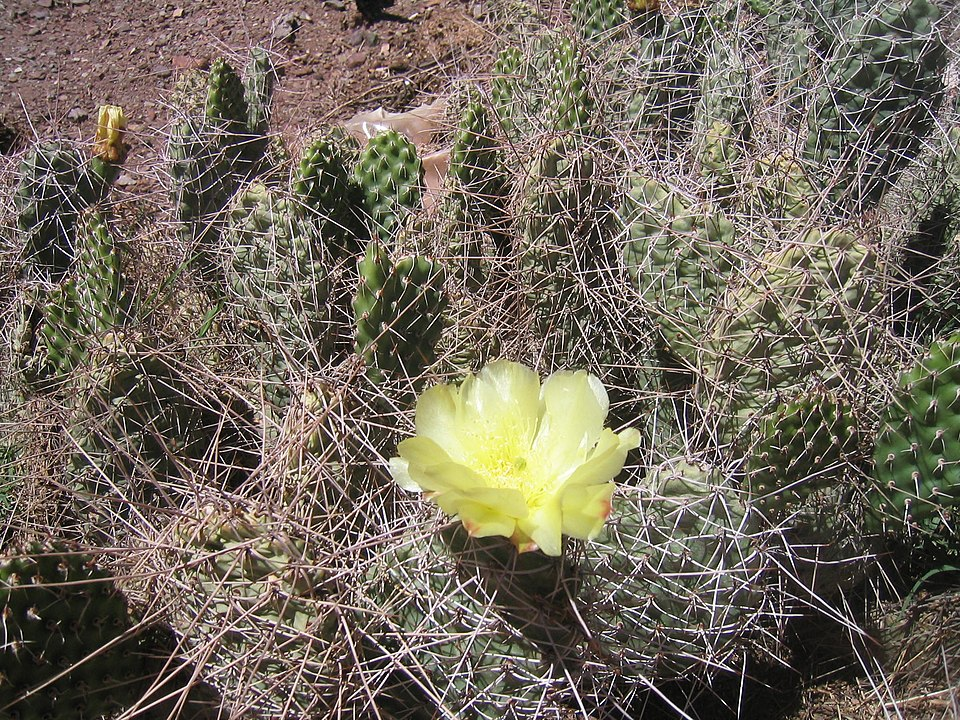
(An original image by Jengod, CC BY-SA 4.0, via Wikimedia Commons)
A plant’s ecological role reveals how it weaves itself into the life around it—feeding pollinators, sheltering wildlife, or forming partnerships beneath the soil. Some species offer nectar or seed, others host caterpillars or birds, and a few even engage in parasitic or symbiotic relationships that shape the communities they grow in. Understanding these connections helps you see the plant not just as an individual, but as one thread in a wider living tapestry — a tapestry that includes us as well.
Pollinators
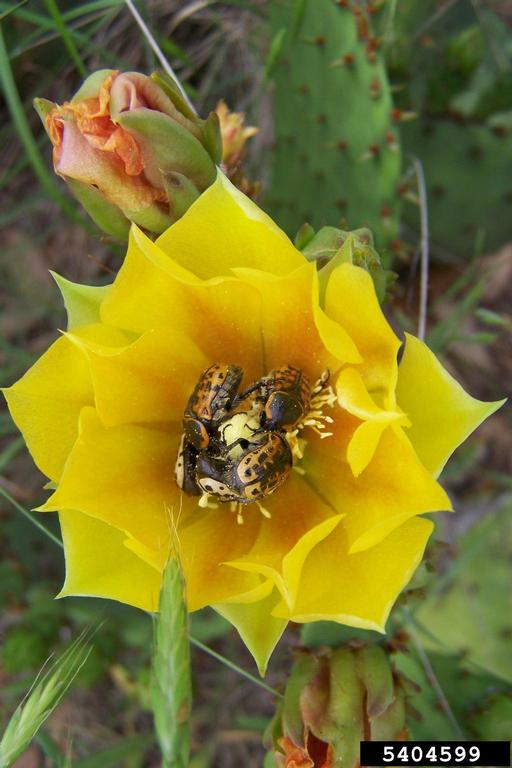
Rich in nectar and pollen Prickly Pear flowers are high-value resources that support the local insect populations — native bees, honey bees, beetles, lepidopterans (butterflies and moths) and hoverflies. Surprisingly, birds (including hummingbirds) and bats also pollinate Opuntia. Beetles are not as efficient as bees at pollen transport because they eat the stamen and petals of the Opuntia flowers, gathering less pollen on their bodies. The more damaged a flower is, the less pollinators attend it. Thus, the prickly pear flower only remains open 1 or 2 days which gives the florivorous beetles less time to deter pollination.
Larval Host
Julia’s Dicymolomia Moth (Dicymolomia julianalis)
Wildlife
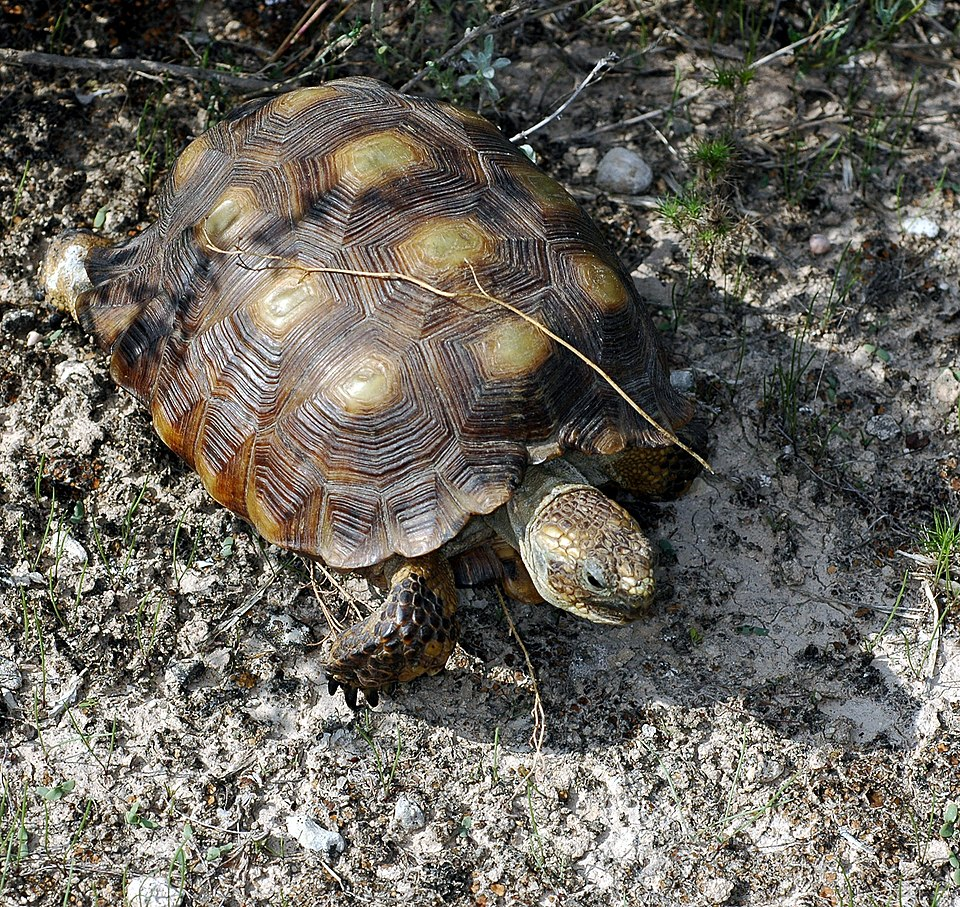
Opuntia provides food, shelter, and habitat to wildlife. Deer, horses, cows, goats, sheep, javelinas, raccoons, tortoises, spiny iguanas, birds, and many other wildlife species feed on the fruit and seeds. The dense growth and thorniness of Opuntia provides shelter and protective spaces for nests to all manner of animals. Packrats often build dens at the base, which then provides protection from some of its predators.
One species that is highly dependent on the Prickly Pear is the Texas, or Berlandier’s, tortoise (Gopherus berlandieri) which is the smallest tortoise native to North America, reaching only about 8.5 inches (22 cm) in length. It creates shallow resting depressions called pallets, which are usually located near its primary food source—the prickly pear cactus (Opuntia engelmannii). This species feeds on both the cactus pads and the fruit, relying heavily on prickly pear throughout the year. It is now illegal to take, possess, transport, export, sell, or offer for sale this tortoise without a permit due to its status as threatened—loss of habitat is only one of the causes that led to its low numbers. If the invading South American Cactus Moth (see next section) is ever successful in harming the prickly pear population in the United States, specialized animals like this tortoise could be driven to extinction.
Pests of the Prickly Pear
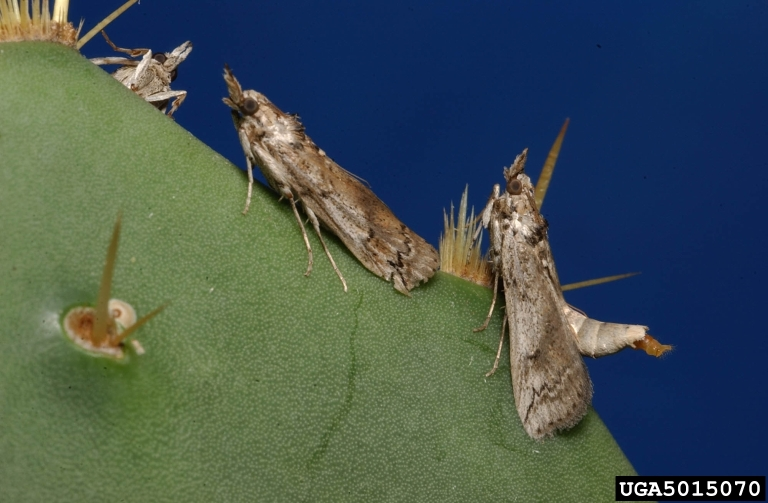
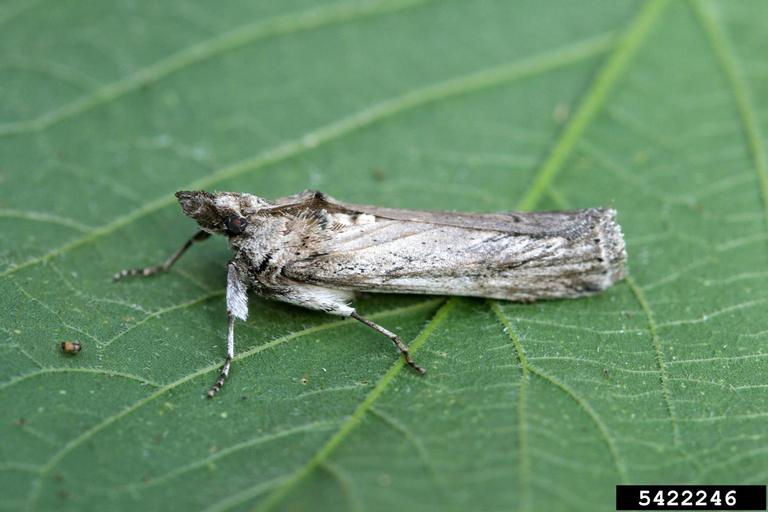
(A picture of the moths is below.)
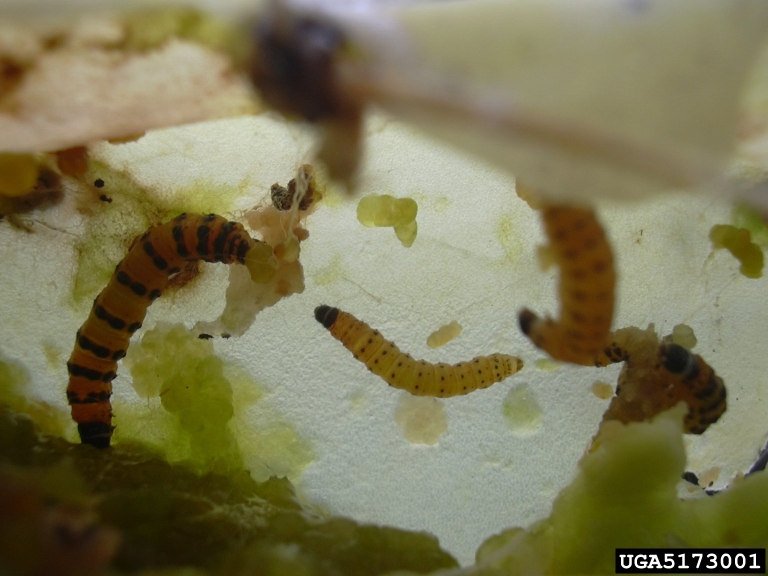
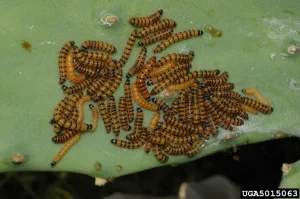
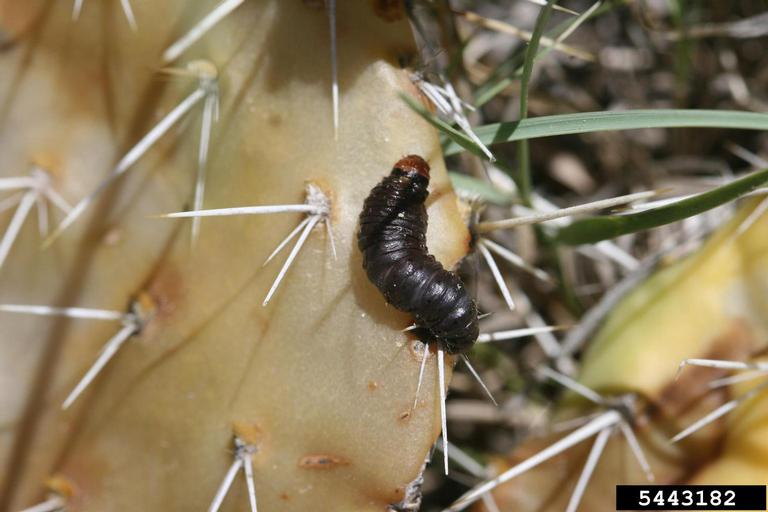
The greatest threat that is predating on Opuntia in the United States is the South American Cactus Moth (Cactoblastis cactorum), a native to Argentina, Uruguay, Paraguay, and Brazil. The adult moth is a nondescript brownish-gray moth with long legs and long antennae. The larvae are orange caterpillars with black dots or black bands along their bodies. (Nothing else looks like these.) These moth larvae feed on the tissue inside the cactus pads and fruit, completely hollowing the pad or fruit out before moving to the next. Within a short period of time, this moth can destroy whole stands of cacti!
Early detection is crucial in controlling the spread of this destructive pest.
Look for these signs of infestation:
- Larvae: The caterpillars themselves, found inside the cactus pads.
- Adult Moths: Though less noticeable, the adult moths are a sign of their presence.
- Egg Sticks: These resemble cactus spines and are where the moths lay their eggs.
- Insect Droppings: Frass (insect excrement) near entry holes.
- Yellowing Plant Tissue: A sign of internal damage.
- Fluid Oozing: From the damaged tissue.
(A picture of the larvae is above.)
These villains are invading the US, so if you spot a caterpillar like this (in the US), you need to report it here to TexasInvasives.org.
The Prickly Pear Beetle aka Opuntia Bug (Chelinidea vittiger) uses its proboscis to feed on the outer surface of Opuntia pads. The damage begins as light, circular spots on the Opuntia pads, gradually increasing in depth and severity. These damaged areas are prone to fungal infection, which darkens the spots to black and can lead to complete pad death. (Beetles of this genus were imported to Australia to combat the prickly pear which became invasive there after its importation in 1788 to start a dye industry; however, this attempt was unsuccessful. The South American Cactus Moth (Cactoblastis cactorum) finally succeeded in controlling the Prickly Pear in Australia—proving how great a threat the moths truly are to Opuntia.) See the Opuntia bug in next image.
The Cactus Beetle (Nitops pallipennis) adults and larvae feed on the flowers, flower parts and pollen which decreases the number of pollinators because damaged flowers are not as attractive to pollinators. View Nitops images @ University of Georgia.
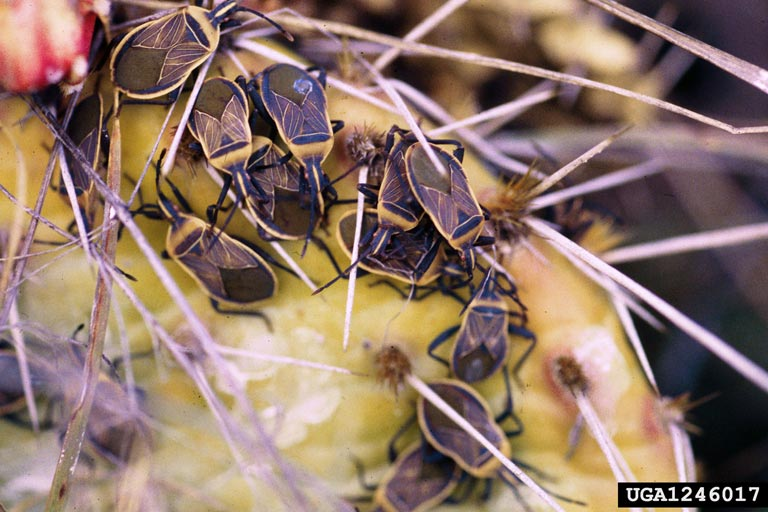
The Blue Cactus Borer aka North American Cactus Moth (Melitara dentata) is another significant pest affecting Opuntia species. The dark blue caterpillars (see image below) feed on the inner tissue of the pads and fruit. Its presence can lead to significant damage to prickly pear plants. The adult moths (see image below) are similar to the South American Cactus Moth (Cactoblastis cactorum) adult moths (see image above).
These are just some of the pests that may trouble Opuntia cacti, from sap‑sucking insects to opportunistic beetles, and there are many others that are not covered here. Though their damage can seem harsh, these creatures are part of a larger ecological community—one that helps keep prickly pears from becoming overly dominant. Having evolved together in the same landscape, the cacti and their pests are interdependent, and the pressure these insects exert rarely exceeds what the local species can withstand… until a new invading pest like the South American Cactus Moth (Cactoblastis cactorum) comes along and disrupts the balance of the native ecosystem taking more than is safe for the cacti, threatening its—and the whole interdependent ecosystem’s—continued survival.
Symbiotic Behavior
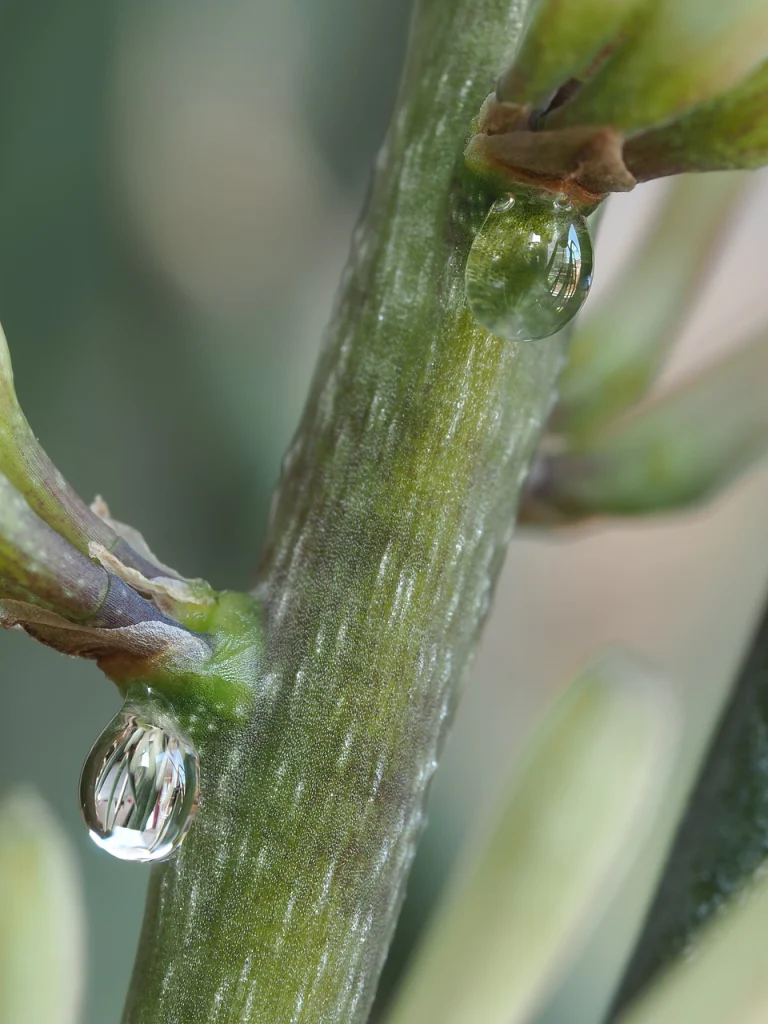
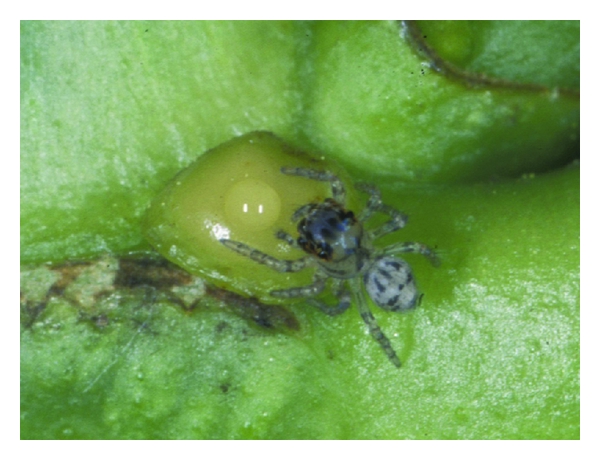
Extrafloral nectaries, nectar-giving spots found outside the flower, have been documented in over 7 species of Opuntia (little study has been done on nectaries in the genus). On Opuntia, they are found in places such as on young vegetative stems, at the base of the spines on flower buds and fruits, or the areoles of new stems, floral buds, flowers, floral bracts and fruits. Most often these nectaries are associated with a mutualistic (symbiotic) relationship between the Prickly Pear and a species of ants. The plant offers nectar, fruit, and occasional shelter, and in return the ants defend it—discouraging herbivores, deterring flower‑damaging visitors, and even helping keep competing plants from encroaching. Several species of ants are by far the most frequent visitors to these specialized, non‑floral nectar sources on Opuntia, even though other insects may stop by now and then. Surprisingly even spiders appreciate EFNs! Here is an image of a Vampire Jumping Spider juvenile approaching an extrafloral nectary on a Castor Bean Tree (above).
Parasitic Behavior
The prickly pear hosts a parasitic insect called cochineal which is used to make a natural red dye. It is still used as an organic ant-repellent. The cochineal insects can damage and kill the plant from feeding on it. Read more about the cochineal insect in the Dyes section.
Invasive Tendencies
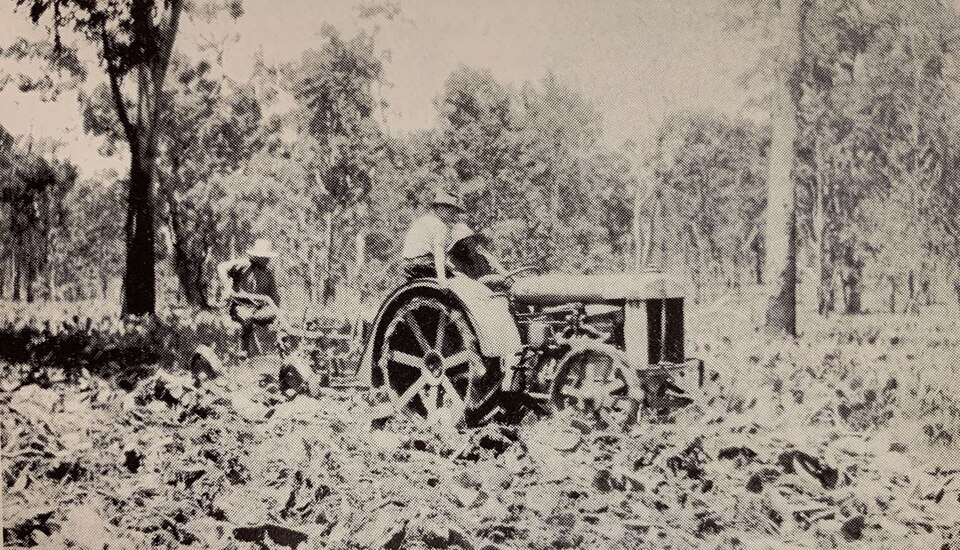
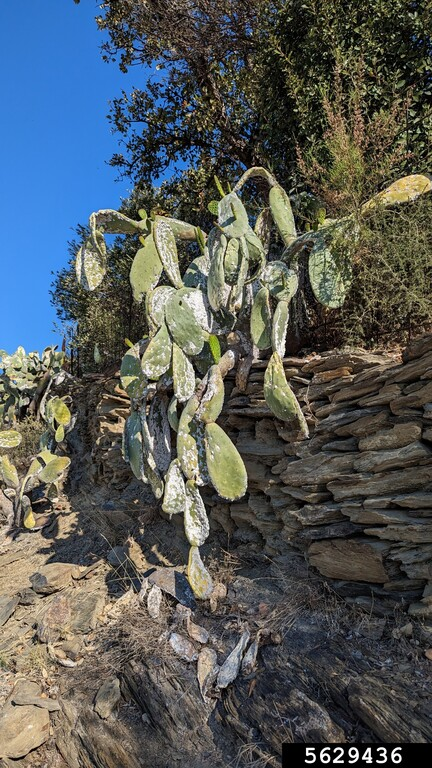
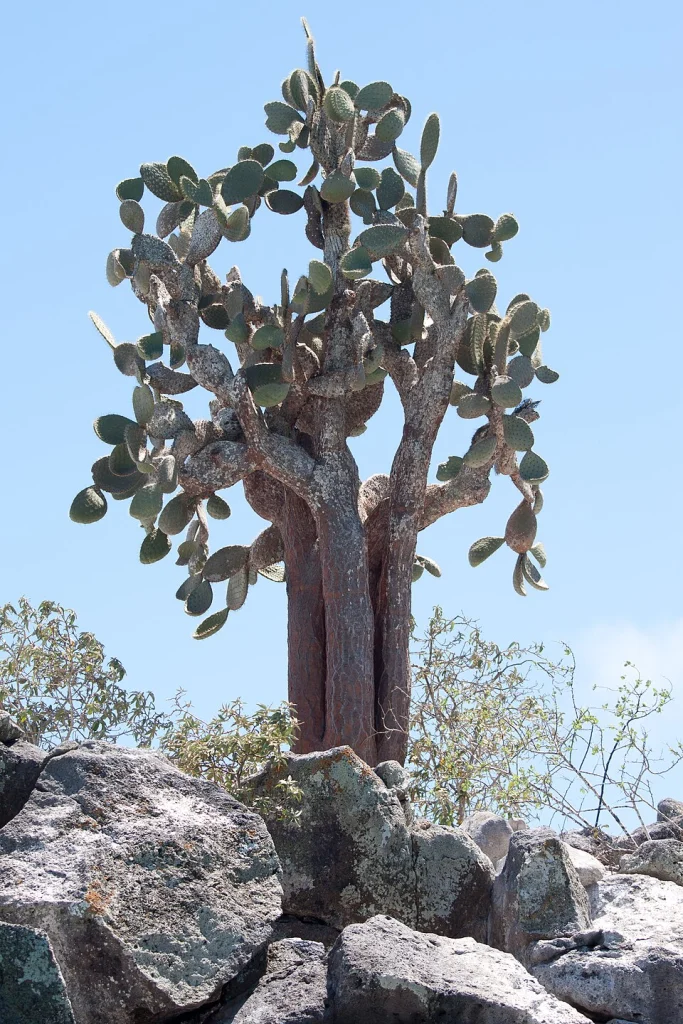
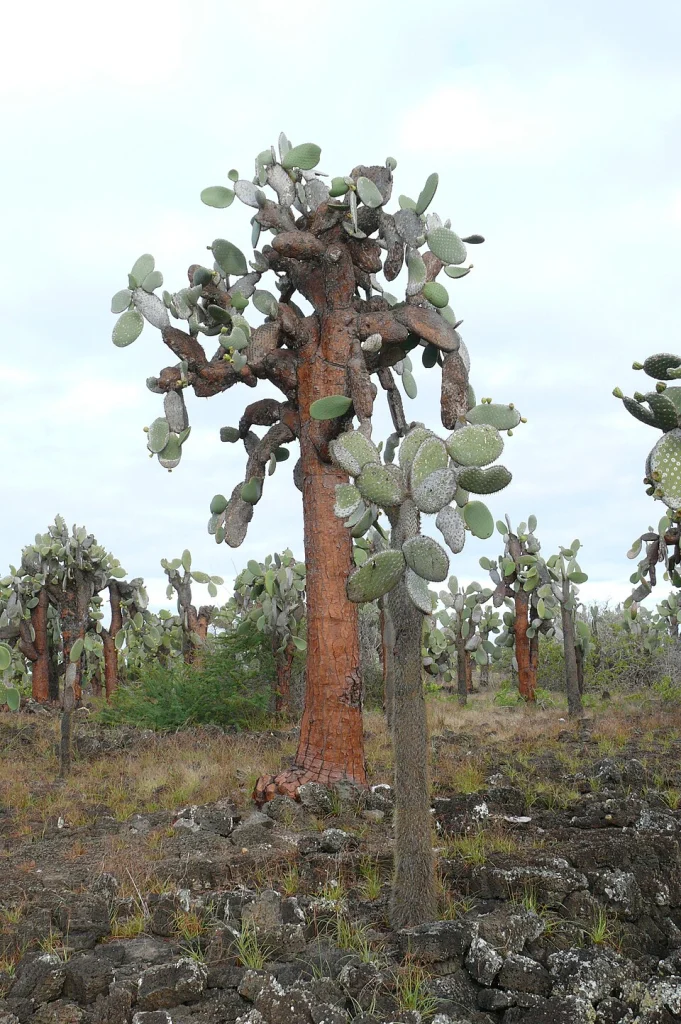
In most areas of the Americas prickly pears are not a problem because a complex of animals, especially insects, keeps them under control. However, some species are considered invasive/noxious in locations where they have been introduced outside their native range where this control is not present — Australia, Ethiopia, Hawaii, Madagascar, South Africa, and other locations. (See the next image for another example of Prickly Pear showing its invasive side.) In some places the cacti were introduced intentionally as food for developing a cochineal dye industry. The prickly pear soon became invasive spreading far and wide negatively affecting the ecosystem. When something like this occurs, often the chosen solution is importing a predator to control the invasive species—sometimes only to create new problems that surpass the original infestation.
Gardening
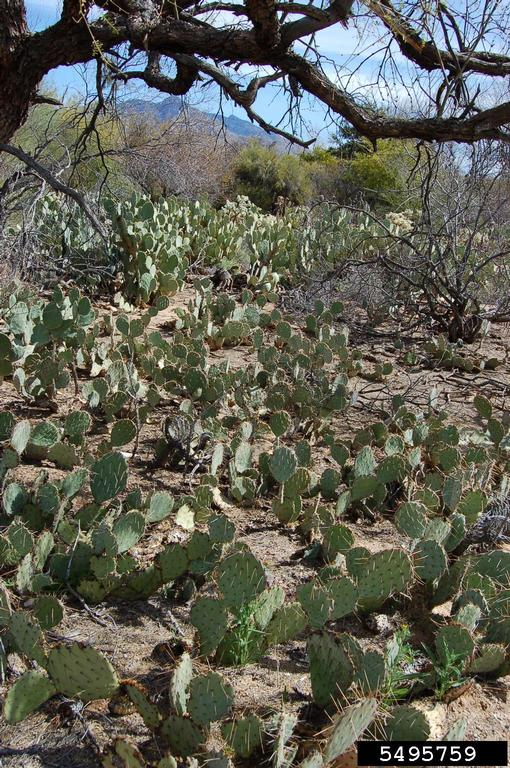
The gardening notes offer a few extra insights for tending the plant beyond what’s covered in the Habitat & Range section, which already outlines its preferred sun, soil, and water conditions. This space is for anything additional that might help in the garden—whether that’s how to propagate it, pair it with good companions, give it a light prune when needed, or any other little detail that might make it thrive for you.
The attractive prickly pear is a favorite for xeriscape and cactus gardens in USDA zones 4 to 11 because of its beauty, its ability to survive on little water, in tough conditions and to stabilize sandy soils. It is so used to the tough conditions of its home that if grown in rich soil, the cactus can become unhealthy—spongy and drooping, and, if kept in consistently wet soil it may lead to root issues like fungal problems. Water sparingly, allowing the soil to dry completely between waterings. During the active growing season, a deep soak every 2–4 weeks is usually enough. In winter, reduce to once a month or even less. The tough Prickly Pear can tolerate cold temperatures, even frost and snow.
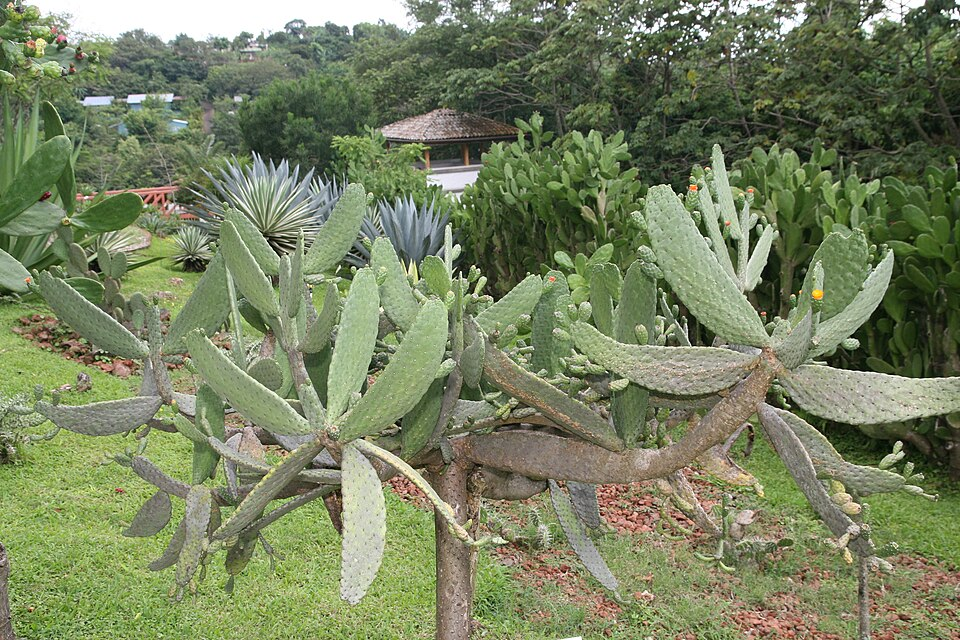
Though Opuntia are hardy plants with few problems, there are still pests that may affect them. (If you missed them, you can read about some pest threats to Opuntia above.) While each pest presents its own challenges, most can be managed with early detection and thoughtful care. Since unhealthy plants are more susceptible to pests, keeping your plants healthy is your best preventative measure against them becoming a victim. If you are dealing with pests on your own beloved Opuntia, visit How to Identify and Control 11 Cactus Pests (bonus: their pest pictures are really great).
Propagation
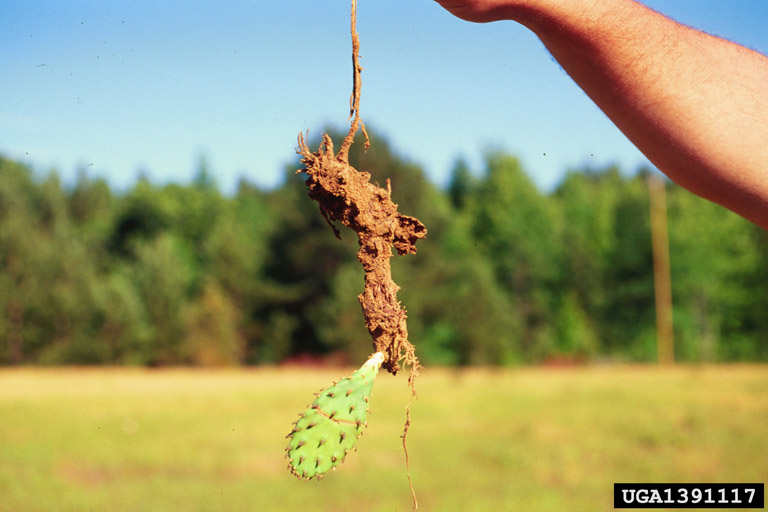
- Cutting — Remove a healthy pad with a sharp knife. Let the wound dry and callous over before planting. Water sparingly until rooted. Rooting takes 2 to 6 weeks.
- Seed — Score the seeds before planting. How to Grow Prickly Pear Cactus From Seeds. Germination takes approximately 2 weeks.
- Division — Not as easy to do as the other ways to propagate because of the spines and glochids. Divide a clump of Prickly Pear, ensuring there are pads and roots for each resulting plant.
Companion Planting
Choose plants that thrive in similar conditions to Opuntia. Use shapes that complement the sprawling habit of the prickly pear.
Pruning
Cut off damaged pads, or pad growth that is beyond what you desire. If the pads are undamaged, use them to create more plants or share with gardening friends.
Did You Know?
This section gathers delightful, surprising tidbits—small wonders that reveal just how extraordinary each plant truly is.
- When the anthers of the Opuntia flowers are touched, they curl over to deposit their pollen on the pollinator. One may see this movement by gently touching the anthers with a finger. These sensitive anthers, called thigmotactic anthers, have also evolved separately in other genera besides Opuntia. This trait is thought to increase the pollen load of insect pollinators.
- It takes about 70,000 cochineal insects to make one pound (0.45 kilograms) of carmine dye. The insects must die in the process, being boiled or baked alive, which is why the dye is shunned by vegans.
- The nopalitos and fruit are hydration beasts — both with 90% or more water content. In times of severe drought, ranchers burn the spines off the cactus allowing livestock to forage for the pads. Providing food and water to drought and desert survivors, the prickly pear is a life saver.
- Opuntia can be processed into biofuel, making it a sustainable resource. (But are you going to eat it, or use it as fuel? That is the question!)
- To produce a single liter of prickly pear seed oil, the extensive process takes approximately 1 million seeds or around 5,000 cacti fruits. It is because of this that the luxurious oil is so expensive.
- Opuntia species display varied sexual systems: some are dioecious (separate male and female plants), others monoecious (both male and female flowers on the same individual), and some are gynodioecious, where female‑only and hermaphroditic plants coexist and can interbreed to produce viable seeds.
- A Prickly Pear, Opuntia galapageia var. myriacantha has the second to longest thorns of the Cactus family at 10 inches (25 cm) in length. Only beaten by the cactus Ferocactus emoryi ssp. rectispinus whose spines can reach 13 inches (33cm)!
- Juice from the pads is used as a mosquito repellant in Africa.
- Cochineal was used to color the British soldiers’ red coats which in a round-about way caused the invasion of Australia by the Prickly Pear! What?!
Safety
The safety notes highlight any concerns to keep in mind—such as toxicity to pets, irritation potential, or other cautions—so you can handle the plant with confidence and care. Information on this page is for general education only. See full Disclaimer.
Cautions
- Apart from the potential damage from the large spines, the glochids (the fine, hooked spines) easily dislodge to cause skin and eye irritation. Make sure that the spines and glochids are fully removed before ingesting pads or fruit. Remember, even spineless varieties of the prickly pear may still have glochids.
- The pads contain oxalic acid, which can interfere with calcium absorption if too many are eaten at once, causing mechanical damage. Harvest young pads in the late afternoon when the amount of this acid is lowest.
- Digestive upset, diarrhea or constipation can occur if too many pads or fruit are eaten at a time.
- Always let your doctor know about any supplements you’re using, even natural ones, so they can watch for possible side effects or interactions with medications. Prickly pear cactus may need to be discontinued before surgery, and its safety hasn’t been established for children or for people who are pregnant or breastfeeding. Because it can influence blood sugar levels, it may also pose risks for those taking diabetes medications.
Toxicity to Pets
See cautions.
Foraging Cautions
See Harvesting.
First Aid for Spines & Glochids
- Large spines: Use sterilized tweezers to pull out larger spikes, working slow
- Glochids: Use duct tape, a damp sponge, hair removal wax, a layer of PVA glue (let dry then peel off to lift spines), or hydrogen peroxide to bubble them out. If any are missed they can cause inflammation and become infected
- Wash with soap and water
- Soak in warm, soapy water, or salted water to soothe and draw out any remaining glochids
- Ointment & bandage
- Cold compress for inflammation
Recipes
Once you’ve confirmed the plant’s identity, you’ll find it offers a variety of culinary and medicinal uses. Explore some possibilities below and see what inspires you. Enjoy!
Prickly pear can be enjoyed raw or used in both sweet and savory dishes. They make a healthy addition to scrambled eggs, salads, tacos, soups, stews, chili, salsa, and even lasagna.
If you do not have access to prickly pear in the wild or if you are not interested in harvesting them yourself, the pads and fruit can be found in farmer’s markets and most supermarkets in the Southwest. When choosing fresh pads, make sure they are stiff and bright green. The thorns are removed from the pads before being sold in markets, but sometimes stray thorns or glochids are still on them, so use caution. If you are unable to find fresh pads, canned may be available in your area. The fruit will not ripen more after removed from the plant, so make sure the fruit you buy in a market are fully ripe when purchased—firm but gives slightly to gentle pressure.
The flat pads make a great cooked vegetable especially when they’re young and tender. At this stage, they’re called nopalitos. Their flavor is like green beans with a bit of tartness, and their texture is slightly slippery, much like okra, giving soups and stews a natural thickening boost, or salads an interesting texture. Enjoy cactus pads raw, boiled, roasted, baked, sautéed or other methods you might use with most vegetables.
The subtly-flavored flowers and flower buds are also edible though less frequently utilized than the pads and fruit. (Don’t forget about the thorns and glochids—they are on flower buds too.) Rich in natural sugars and flavonoids the flowers can be used in teas, and salads. The flowers are unavailable in markets in the US.
Taste of the fruits, like color, varies from species to species, but is most often compared to watermelon or raspberries. After cleaning the spines and glochids from the outside, you can enjoy cactus fruit raw, in salads, smoothies or its juice can be boiled down to make candies, a cocktail flavoring, jellies and sauces. There are many ways to use the fruit—like you would use any delicious, healthy fruit. Be aware that the fruit will stain your hands if you don’t wear gloves. Store the raw fruit in a cool place (not refrigerated) for ~week or freeze for preparation on a later day.
I’ve only sampled one species of fruit myself, so I can’t speak on the flavor of others. However, I did find this article, 13 Edible Prickly Pear Varieties and Taste Profile | luv2garden.com, that may give an idea of the flavors of varied species.
There are no poisonous look-alikes of the Prickly Pear. All members of the Opuntia genus are edible and most are nutritious, though not all may be palatable.
Pad Preparation
For young pads, use tongs to grasp each pad and cut it cleanly at the stem joint, then pass the pad briefly over a flame to singe off long spines and tiny glochids and scrape away any leftovers with a knife. Rinse thoroughly, check for stray spines, slice into thin strips, and boil for about ten minutes; drain and rinse again to remove excess mucilage, and the nopalitos are ready to use. For older pads, scrape off the tougher outer skin and prickles then trim fibrous areas before cooking. Raw pads will last in the refrigerator for ~week, though if cut then use immediately.
Prickly Pear Preserves ~ Nopalitos and Huevos Rancheros ~ Fried Nopalitos
Nopalitos Gumbo ~ Prickly Pear Jelly ~ Dracula’s Delight Sauce ~ Prickly Pear Sorbet
Prickly Pear Preserves
Ingredients:
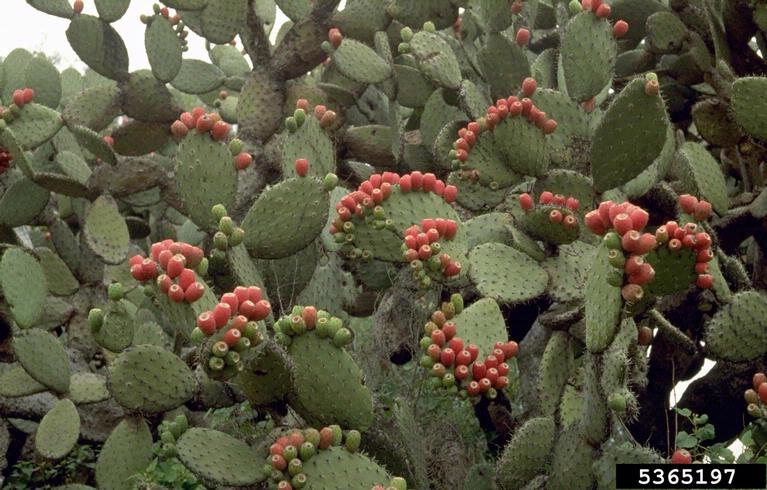
- 24 ripe prickly pears
- 2 cups sugar
- 1 cup water
- Juice of one lemon
- Juice of 1/2 orange
- 1/2 orange, diced small
- 1 package pectin
Makes one 1-pound jar
Preparation:
Using a pair of rubber gloves to protect your hands, plunge the prickly pears in boiling water for a few minutes, then remove the thin, outer layer with a sharp knife as you would a tomato skin. Cut the pears in half, scoop out the seeds, and put them to one side; then chop the flesh and place it in a saucepan with the sugar and water. Put the seeds into a sieve and mash them vigorously to extract the juice. Add this to the pan along with the citrus juices and the orange pieces. Bring the mixture to a boil, and simmer uncovered, stirring occasionally, for about 40 minutes, or until the preserve has thickened and the liquid has reduced. If you like your jam very firmly set, add the pectin, but the preserve sets quite adequately without it. Pour the jam into a sterilized jar and seal. This chunky preserve, with its unusual flavor, can be spread on toast, biscuits, or muffins for breakfast or used to make very pretty pies.
Nopalitos and Huevos Rancheros
Ingredients:
- Prickly pear pads (1 small pad per person)
- Eggs
- Butter
- Salt and pepper
- Picante sauce
Preparation:
After preparing the nopalitos, sauté them in butter. Fry your eggs, sunny side up, with salt and pepper to taste. Serve the eggs topped with picante sauce, the nopalitos on the side. Or sauté the nopalitos with chopped onions and tomatoes, simmering them until well cooked. Then stir in beaten eggs, and cook as you would scrambled eggs or an omelet. Nopalitos taste pleasantly sour and contain generous amounts of vitamin A and calcium. The interior of the pad is mucilaginous, yielding a slippery vegetable that’s a bit difficult to get hold of with a fork.
Try eating your huevos rancheros Mexican style, scooping them up with a tortilla or a piece of bread.
Fried Nopalitos
Ingredients:
- 1 cup nopalitos, prepared
- 1/3 cup wheat flour
- 2/3 cup cornmeal
- 1 teaspoon chile powder
- Salt and pepper to taste
- Vegetable Oil
Preparation:
Place flour, cornmeal, and spices in a small bag, and shake the bag to mix. Drop nopalitos into the bag and shake till the strips are well coated. Heat oil in a skillet. Fry the strips till they are golden brown.
Nopalitos Gumbo
Ingredients:
- 1/2 cup nopalitos, prepared
- 2 cups cooked rice
- 2 slices bacon
- 3 tablespoons butter
- 1 large onion, chopped
- 1 celery stalk, chopped
- 1 clove garlic, chopped
- 1 can stewed tomatoes
- 2 cups cooked chicken, diced
- Salt and pepper
- Gumbo file (powdered sassafras leaves)
Preparation:
Fry the bacon and remove from pan. Brown the flour in the bacon fat to make a roux. Add 1 cup boiling water and stir well. In a separate pan sauté the onion, celery, and garlic in bacon fat or oil. Add the cooked vegetables to the roux. Mash the stewed tomatoes and add them with their juice. Chop the nopalitos and add them to the gumbo. Finally, add the chicken, salt, and pepper. Simmer for at least 30 minutes. Serve the thick gumbo over rice, with gumbo file sprinkled on top.
Prickly Pear Jelly
Yield: Depends on how juicy the fruits are, and that depends mostly on how much water the plants received while the fruits were developing.
Ingredients:
- ~15 large, ripe prickly pear fruits
- Lemon or lime juice
- Powdered pectin or Sure-Jell
- Sugar
Preparation:
After removing the spines, cover the fruit in water and boil until tender, about 20 minutes. Mash the fruit and strain it through cheesecloth to produce the juice. Measure the juice. (For very cup of juice, you will need 1 1/2 tablespoons powdered pectin or Sure-Jell, 2 tablespoons lemon or lime juice, and 1 to 1 1/2 cups sugar. The smaller amount of sugar yields a slightly tart jelly.) Pour the juice into a clean pot, add the pectin, and bring to a quick boil, stirring constantly. Add the lemon juice and sugar. Bring to a rolling boil and cook for 3 minutes or until it passes the jelly test. Pour the jelly into jars.
Dracula‘s Delight Sauce
The color of the sauce holds the reason for its name. You can use this over many desserts or pour on fruit salads and pancakes.
Ingredients:
- 1 cup prickly pear pulp, seeds removed
- 1/4 cup liquid sweetener
- 2 tablespoons lemon juice
- 1 tablespoon tapioca
- 1 tablespoon vegetable oil
- Pinch of salt
Preparation:
Puree the fruit in a blender or food processor. Cook all the ingredients together over medium-high heat, stirring constantly, until it reaches a boil. Reduce the heat and simmer, stirring constantly, for 5 to 10 minutes. Serve hot or cold.
Prickly Pear Sorbet
Ingredients:
- ~25 ripe prickly pears
- 4 cups sugar
- 1 quart spring water
- 1 quart prickly pear juice
- 1 3/4 quart cranberry juice
- 1 tablespoon lemon juice
- 1 egg, in shell
- Pinch of salt
- Sprig of mint
Preparation:
To make sugar-water syrup, mix the sugar and water together in a stainless-steel saucepan and bring to a boil. Reduce to simmer and cook over medium heat for 5 minutes. Burn the barbs off the prickly pears by holding them with tongs over a flame. Peel the fruit, then puree it in a food processor or blender. Strain and mix with cranberry juice, lemon juice and salt. Mix pear mixture with about one-third of its volume of the sugar-water syrup, stirring well. Put in a 4-quart ice cream churn container and add one uncooked egg, in its shell, which has been washed carefully and dried with paper towels. A patch of the egg’s surface, between the size of a dime and a quarter, should show. If it does not, gradually add more syrup until the small white eye of the shell appears. Remove egg and discard. Churn sorbet mixture until it turns opaque and to superfine ice. It will be ready to serve at just about the same time as the machine stops. Sorbet can be kept in the freezer after churning for a few hours, but its silky texture changes the longer it is frozen. Scoop and garnish with a sprig of mint.
Related Links & References
All the links from this article are gathered here, as well as many more added, offering additional resources, articles, and references for exploring the history, uses, or ecology a little further.
As an Amazon Associate, I earn from qualifying purchases (at no cost to you). #CommissionsEarned
Opuntia Information ~ Pollinators & Pests ~ Dyes
Harvesting, Preparing & Eating ~ Misc. ~ Books
Opuntia Information
- Opuntia species @ Wikipedia
- List of Opuntia species @ Wikipedia – There are so many beautiful and unique Opuntia cacti.
- Opuntia Web…glochids are forever – A site for the Opuntia in the United States
- All about Opuntia biology, ecology, and physiology – A very detailed list of further opportunities for study on Opuntia found on Opuntiads.com
- Prickly Pear Ecology @ Texas Natural Resources Server
- Medicinal Plant Fact Sheet for Opuntia @ Pollinator Partnership
- Cactus (Opuntia spp.) as Forage – Very detailed paper on Opuntia. Much more is covered than just as a forage.
- Adapting to Climate Change with Opuntia – Prickly Pear is extremely well suited for climate change.
- Nature – Prickly Pear – An article that covers history of the Prickly Pear as well as other aspects of it
- Drying of Prickly Pear (Opuntia ficus-indica (L.) Miller) and Its Potential as a Solid Biofuel | MDPI
- First description of extrafloral nectaries in Opuntia robusta (Cactaceae): Anatomy and ultrastructure – PMC – I think extrafloral nectaries are the cat’s meow… or should I say “the bee’s knees” or “the ant’s pants”?
Pollinators & Pests of the Prickly Pear
(read about these pests above)
- How to Identify and Control 11 Cactus Pests – Their pest pictures are really great
- Cochineal: A Product of Nature @ Harvard Museums of Science and Culture
- Cochineal @ Wikipedia
- The process of farming the cochineal insects @ Wiki
- Australia Invaded for the Coats to Be Red @ Wiki – The story of how the Prickly Pear came to invade Australia
- Food-Info.net : Cochineal, Carmine, Carminic acid
- Blue Cactus Borer (Melitara dentata) @ Wikipedia
- Cactus Beetle (Nitops pallipennis) – Images of this cactus pest
- South American Cactus Moth (Cactoblastis cactorum) @ Wikipedia
- South American Cactus Moth (Cactoblastis cactorum) @ Forestry Images – Many images of all phases of life for this invasive moth. If you live in the US, squish its caterpillars when you find them (then report them)!
- Report sightings of the South American Cactus Moth (Cactoblastis cactorum) here to TexasInvasives.org – These villainous moths are invading the US, so if you spot a caterpillar like this (in the US), it is critical that you report the sightings. They are devastating to Prickly Pear populations.
- Establishment and range expansion of invasive Cactoblastis cactorum (Lepidoptera: Pyralidae: Phycitinae) in Texas
- Impact of beetle florivory on floral longevity and pollinator visitation in desert cacti: A comparative study of Opuntia basilaris var. basilaris and Echinocereus engelmannii.PDF – A study on how flower-eating beetles affects the number of bees visiting two types of cacti.
- Chalcidid – Brachymeria podagrica – BugGuide.Net – A wasp that lays eggs in the pupae of the invasive, Prickly-Pear-killer South American Cactus Moth (Cactoblastis cactorum), the larva of the wasp eats the larva of the moth, and then a young wasp hatches out of the cocoon. Yay!
Dyes from the Prickly Pear
- Dyeing with Prickly Pear @ Heritage Studies Through Plant Dyes – A very-detailed series of experiments finding the best way to dye using the prickly pear fruit.
- Navajo Native Dyes: Their Preparation and Use – I found this great old (mid-1930s) pamphlet online. It has instructions for making dyes from many native plants (of the Southwest US), including the Prickly Pear (page 26). If you are into weaving, basketry, lace, and related subjects (like the dye pamphlet)!
- Rancho Nopal Cochineal Farm – Living Textiles of Mexico – Has some information on the process of farming the cochineal and examples of textiles dyed with the prepared dye
Harvesting, Preparing & Eating
- How to harvest & prepare prickly pear fruit responsibly @ Tucson Foodie – A great article on harvesting prickly pear fruit
- Cactus Fruit @ The Other Side of the Tortilla – She has a bunch of Prickly Pear recipes that sound yummy.
- Prickly Pear “Cream” Stuffed Mesquite Cookies @ Tucson Foodie – This vegan recipe sounds amazing, AND it uses another wild superfood along with the prickly pear fruit.
- Where to Eat Nopales in Mexican Restaurants in Houston | Houstonia Magazine
- Nopal to the Future: Why Prickly Pear Cactus Is Texas’ Next Supercrop
- Cholla cactus, its edible parts, & more – Dunbar/Spring Neighborhood Foresters – This neighborhood is awesome! They plant in their neighborhood and harvest together.
- 13 Edible Prickly Pear Varieties and Taste Profile | luv2garden.com
Miscellaneous
(read about these pests above)
- Going Back to the Roots: The 14th Annual Prickly Pear Festival in Superior, AZ – This discusses the details of their August 2025 festival. Join them on Facebook for information about the next festival.
- NM Prickly Pear Festival – Their 8th Annual Festival is in September 2026.
- Prickly Pear Seed Carrier Oil @ Eden’s Garden – Very pricey due to processing requirements, but so good for your skin!
- Unveiling the Dream Symbolism of Prickly Pears — A long article on the dream meanings of prickly pear
- The Origin of Náhuatl and the Uto-Aztecan Family
- Cholla cacti (Cylindropuntia spp.) – Closely related to the Prickly Pear, these cacti have cylindrical stems and are also edible
- How to Grow Prickly Pear Cactus From Seeds
- Search Publications | ResearchGate – Many research papers on Opuntia.
- Fringe Scarves: Search for “Prickly pear” – Scarves, clothes and jewelry with Prickly Pear on them
- Shop Botanical Jewelry | Desert Jewelry | Lila Clare – Some gorgeous jewelry modelled after the Prickly Pear’s lacey skeleton. (I do prefer silver in case you were wondering…)
- Richard Moore outdoor report: Peerless prickly pear cactus – Some pictures of wildlife enjoying the prickly pear and becoming victims to their thorns.
Books
- DiLorenzo, C.L., G.S. Powell, A.R. Cline, and J.V. McHugh (2021) Carpophiline-ID, a taxonomic web resource for the identification of Carpophilinae (Nitidulidae) of eastern North America. (vers. 01.19.2021) University of Georgia, Available at: https://site.caes.uga.edu/carpophiline-id/ (Accessed: 2026-01-11)
- Duke, James A., Ph.D. The Green Pharmacy: The Ultimate Compendium of Natural Remedies from the World’s Foremost Authority on Healing Herbs.
- Foster, Steven and James A. Duke, Ph.D. Peterson Field Guide to Medicinal Plants & Herbs of Eastern & Central North America.
- Grieve, Mrs. M. A Modern Herbal (1931) – Available free online, or the 1971 version can be purchased on Amazon: Volume 1 [Kindle] and Volume 2 [Kindle].
- Hutchens, Alma R. A Handbook of Native American Herbs: The Pocket Guide to 125 Medicinal Plants and Their Uses. [Kindle]
- Padilla, Carmella (Editor), Barbara Anderson (Editor). A Red Like No Other: How Cochineal Colored the World, Hardcover @ Museum of New Mexico Foundation Shops, Hardcover @ Amazon
- Tull, Delena. Edible and Useful Plants of Texas and the Southwest: A Practical Guide. [Kindle]

Leave a Reply