Some of My Favorite Books
Some of my favorite books explore the many uses of plants—medicinal, edible, magical and more. I’m especially drawn to native wild plants, which are often overlooked yet deeply useful. I often use the word “herbs” to mean all useful plants–even when wild plants aren’t commonly called herbs, they truly belong in that category. As a lifelong bibliophile, I downsized my vast physical library when moving into a smaller home—thankfully, my Kindle now lets me carry countless favorites wherever I go. 🙂
I’ve gathered a selection of my favorite Nature-inspired books, each linked to a paperback edition (or hardcover if a paperback isn’t available). Where possible, I’ve also included a Kindle version [in brackets], and noted if it’s available through Kindle Unlimited. Books I deem absolutely necessary are in bold. I hope you discover some new favorites among these recommendations!
Botany ~ Identification Guides ~ Edibles ~ Magical Plants ~ Medicinal Herbs ~ Native Plants ~ Useful Plants ~ Pollinators, Birds & Other Wildlife ~ Gardening ~ Nature for Kids ~ Misc ~ Lists ~ Non-Nature Favorites
As an Amazon Associate, I earn from qualifying purchases (at no cost to you). #CommissionsEarned

My favorite book sellers: Amazon.com, Abe Books, Half-Price Books & Ebay.com
Botany
Learn more about plants and their identification.
- Bayton, Ross. The Gardener’s Botanical: An Encyclopedia of Latin Plant Names. [Kindle]
- Bird, Richard. Country Living Gardener A Gardener’s Latin. – Does a wonderful job of demystifying the Latin (or scientific) names of plants. After a brief, easy to understand introduction on why we give plants these scientific names, the definitions are given in a friendly format. The words are broken down into like groups: prefixes, suffixes, color, markings, shape, and many more.
- Elpel, Thomas. Botany in a Day: The Patterns Method of Plant Identification. – A must-have! Elpel’s website is Wildflowers-and-Weeds.com & BotanyEveryDay.com has a course based on this book.
- Harris, James G. and Harris, Melinda Wolf. Plant Identification Terminology: An Illustrated Glossary. – A must have if you are at all interested in learning more about plants. The illustrations make it very easy to follow and to remember.
Identification Guides
- Ajilvsgi, Geyata. Wildflowers of Texas. – A necessary item for Texan plant lovers. One of the best wildflower guides out there. There is now an updated version available with over 100 added species. You can often find this guide at Half Price Books.
- Allen, Thomas J. Caterpillars in the Field and Garden: A Field Guide to the Butterfly Caterpillars of North America. – My favorite ID book for caterpillars.
- Ammerman, Loren K.; Hice, Christine L.; Schmidly, David J.; Brown, Carson (Illustrator). Bats of Texas (W. L. Moody Jr. Natural History Series Book 43). [Kindle]
- Diggs, George, Barney Lipscomb, Robert O’Kennon, Linny Heagy (Illustrator). Shinners & Mahler’s Illustrated Flora of North Central Texas — This book is awesome! It is an expensive book, but well worth the $107 for the trove of information it provides (and it is thick!). The first fully illustrated flora for any region of Texas or adjacent state, including 2233 species, or nearly half of the plants known for the entire state of Texas. Taxonomic treatments include keys, descriptions, etymologies, notes on useful and toxic plants, and nearly 3,000 references. Available free online and in-print in a hardback @ Amazon and hardback @ Brit Press.
- Dunne, Pete; Karlson, Kevin T. The Shorebirds of North America: A Natural History and Photographic Celebration. [Kindle] – A gorgeous book loaded with details about the birds’ lives–habitats, breeding, conservation and more. Too big to carry as a field guide, but invaluable to anyone interested in birding the coasts of North America.
- Enquist, Marshall. Wildflowers of the Texas Hill Country. – A necessary item for Texan plant lovers. One of the best wildflower guides out there–one that never leaves my side. It has detailed description and facts about the plants covered, as well as those plants similar to them. It is useful to areas other than the Texas Hill Country.
- Gould, Frank W. and Hatch, Stephan L. Common Texas Grasses: An Illustrated Guide (W. L. Moody Jr. Natural History Series Book 3). [Kindle] – Great guide to find IDs, also details about where the grasses like to grow, what wildlife uses them and more. Con: no photos, only really good line drawings.
- Hatch, Stephan L. Field Guide to Common Texas Grasses (Texas A&M AgriLife Research and Extension Service Series). [Kindle] – This is an updated version of the book above by Gould and Hatch. I have not seen it yet, but it is supposed to be even better than the older version.
- –––. Texas Range Plants (W. L. Moody Jr. Natural History Series Book 13). [Kindle]
- Leslie, Patty and Cox, Paul W. Texas Trees: A Friendly Guide. – This is the tree book that comes with me on outings. Packed full of information for making IDs and more interesting details such as how the trees are/have been used by people and wildlife.
- Loughmiller, Campbell; Loughmiller, Lynn; Marcus, Joe. Texas Wildflowers: A Field Guide (Texas Natural History Guides). [Kindle]
- Powell, Robert; Conant, Roger; Collins, Joseph T. Peterson Field Guide to Reptiles and Amphibians Eastern & Central North America. – A must-have for herpers. Updated, even including the invasives that have been recorded (especially in Florida).
- Richardson, Alfred. Plants of Deep South Texas: A Field Guide to the Woody and Flowering Species (Perspectives on South Texas, sponsored by Texas A&M University-Kingsville). [Kindle]
- –––. Wildflowers and Other Plants of Texas Beaches and Islands (Treasures of Nature Series). [Kindle] – I was quite happy when I found this book at a Houston park gift shop. It includes many of the plants that grow near the beach that are not found in other guides. (I got the book in 2002 before a plant’s ID was easily obtained on the Internet.)
- Stahl, Carmine and McElvaney, Ria. Trees of Texas: An Easy Guide to Leaf Identification (W. L. Moody Jr. Natural History Series). – A nice change from the standard ID methods of other tree guides – very user-friendly for beginners. It is large (bit over 8″ x 10″), but it needs to be because the photos in it are HUGE. They are scanned directly from actual specimens – life-sized!
- Tekiela, Stan. Trees of Texas Field Guide. – This guide covers all native trees plus common non-natives. (I love this series of field guides–the size and feel are perfect. The available Texas guides are: Birds [Kindle], Wildflowers [Kindle], Mammals [Kindle], Cactus (used). Author Stan Tekiela has guides for several other states, too.)
- Tull, Delena; Miller, George Oxford. Lone Star Field Guide to Wildflowers, Trees, and Shrubs of Texas (Lone Star Field Guides). [Kindle]
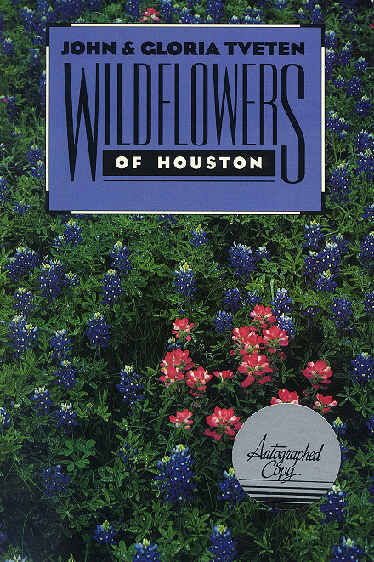
- Tveten, John L. and Tveten, Gloria. Wildflowers of Houston and Southeast Texas. [Kindle] – A necessary item for Texan plant lovers. One of the best wildflower guides out there. This is one that never leaves my side. It has detailed description and facts about the plants covered, as well as those plants similar to them.
- Vines, Robert A. Trees, Shrubs, and Woody Vines of the Southwest. – This is the main book that the two following books came from. A really great reference… to keep at home. It’s huge!
- Vines, Robert A. Trees of Central Texas. [Kindle]
- Vines, Robert A. Trees of East Texas. [Kindle]
- Williams, Kevin; Pan, Aaron D.; Wilson, Joseph S. Velvet Ants of North America (Princeton Field Guides). [Kindle]
- Wrede, Jan. Trees, Shrubs, and Vines of the Texas Hill Country: A Field Guide, Second Edition (Volume 39) (Louise Lindsey Merrick Natural Environment Series). [Kindle]
Edibles
- Vorderbruggen, Mark “Merriwether.” Foraging: Explore Nature’s Bounty and Turn Your Foraged Finds into Flavorful Feasts. [Kindle] – Covers 70 of North America’s tastiest and easy to find wild edibles shown with the same big pictures as on his website ForagingTexas.com. A must-have!
Magical Herbs
- Cunningham, Scott. Cunningham’s Encyclopedia of Magical Herbs (Llewellyn’s Sourcebook Series). [Kindle] – You can’t go wrong with any of Cunningham’s books—they’re excellent.
- ———. Cunningham’s Encyclopedia of Wicca in the Kitchen. [Kindle Unlimited]
- ———. Magic in Food: Legends, Lore & Spellwork.
- ———. Magical Aromatherapy: The Power of Scent (Llewellyn’s New Age). [Kindle]
- ———. Magical Herbalism: The Secret Craft of the Wise (Llewellyn’s Practical Magick Series). [Kindle]
- ———. The Complete Book of Incense, Oils and Brews (Llewellyn’s Practical Magick Series). [Kindle]
- ———. Earth, Air, Fire & Water: More Techniques of Natural Magic (Llewellyn’s Practical Magick Series). [Kindle Unlimited] [Audiobook]
Medicinal Herbs
- Castleman, Michael. The Healing Herbs: The Ultimate Guide to the Curative Power of Nature’s Medicines.
- Cech, Richo. Growing At-Risk Medicinal Herbs, Cultivation, Conservation and Ecology
- Culpeper, Nicolas. Culpeper’s Complete Herbal. [Kindle edition $.99!] – I have linked to the 2019 version, annotated by herbalist Steven Foster, that includes updated scientific names, and modern uses and cautions. The Project Gutenberg has a free scan of the old book without annotation. Since this Gutenberg version is from the 1600s, don’t try anything in it without modern verification.
- Duke, James A., Ph.D. The Green Pharmacy: The Ultimate Compendium of Natural Remedies from the World’s Foremost Authority on Healing Herbs.
- Foster, Steven and James A. Duke, Ph.D. Peterson Field Guide to Medicinal Plants & Herbs of Eastern & Central North America. – A must-have!
- Foster, Steven and Hobbs, Christopher. A Peterson Field Guide to Western Medicinal Plants and Herbs. – A must-have!
- Gladstar, Rosemary & Hirsch, Pamela Planting the Future: Saving Our Medicinal Herbs. [Kindle] – A collective endeavor by United Plant Savers, featuring America’s most respected and well-known herbalists.
- Grieve, Mrs. M. A Modern Herbal (1931) – Available free online, or the 1971 version can be purchased on Amazon: Volume 1 [Kindle] and Volume 2 [Kindle].
- Hutchens, Alma R. A Handbook of Native American Herbs: The Pocket Guide to 125 Medicinal Plants and Their Uses. [Kindle]
- Tierra, Michael. The Way of Herbs. [Kindle] – A must-have!
- United Plant Savers. COMPENDIUM: Journal of Medicinal Plant Conservation (2000-2019): Volume 1 & Volume 2 – All issues & both compendiums can also be downloaded FREE from the website. An amazing resource!
- Wood, Matthew. The Earthwise Herbal: A Complete Guide to Old World Medicinal Plants, Volume I & Volume II. [Kindle: Volume I] [Kindle: Volume II]
Native Plants
- Burrell, C. Colston. Native Alternatives to Invasive Plants. (2006) – A must have! Most plant nurseries will sell you anything as long as it sells. It is up to you to make sure you take the right (environmentally-safe) plants home.
- Miller, George Oxford. Landscaping With Native Plants of Texas and the Southwest (used).
- DeLong-Amaya, Andrea; Lady Bird Johnson Wildflower Center. The Texas Native Plant Primer: 225 Plants for an Earth-Friendly Garden. [Kindle]
- Wasowski, Sally & Andy. Native Texas Gardens: Maximum Beauty Minimum Upkeep. [Kindle]
Useful Plants
These books cover herbs/plants that are useful in more ways than one. Books targeting one specific use – medicinal, magical or edible plants are listed in their own sections.
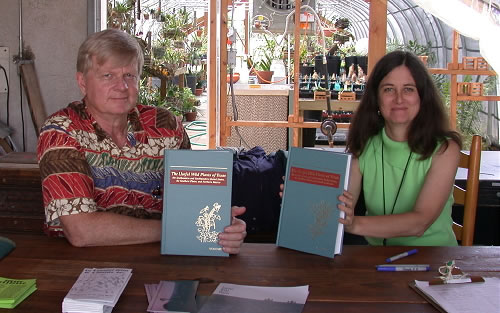
- Cheatham, S., L. Johnston, and M. Marshall. The Useful Wild Plants of Texas, the Southeastern and Southwestern United States, the Southern Plains, and Northern Mexico. Vols. 1–4 (Cheatham and Marshall, pictured above) – These volumes are an absolute treasure for anyone fascinated by plants. After reading them, you’ll never look at the so‑called “weeds” around your home the same way again.
I’ve bought plenty of books over the years that used the word encyclopedia in their titles, only to fall far short of earning it. These books are the rare exceptions. They truly are encyclopedias in the fullest, most traditional sense of the word. Yes, they’re on the pricier side—but the moment you open them, the cost makes perfect sense. The research is meticulous, the writing is authoritative, and the pages are filled with stunning full‑color photographs. Had they not been gifts, I would have happily paid twice the price.
The first volume offers exceptionally detailed coverage of plants from Abronia to Arundo. The second continues with Asclepias to Canavalia. The third volume covers plants from Canna to Celtis, and the fourth volume continues with plants from Cenchrus to Convolvulus. Each entry explores a wide range of uses—from culinary to practical and utilitarian—with more genera planned for future volumes. Nearly every plant is accompanied by multiple photographs, generous margin notes highlighting its various uses, and clear location diagrams showing where it can be found.
Although the series focuses on the regions named in the titles, anyone with even a modest interest in useful plants will find immense value here, regardless of where they live. Many of the species discussed extend far beyond the geographic scope of the books themselves. - Lust, John. The Herb Book: The Most Complete Catalog of Herbs Ever Published. – This was the book that started my love of herbs!
- Tull, Delena. Edible and Useful Plants of Texas and the Southwest: A Practical Guide. [Kindle] – This was the 2nd book that I discovered on herbs. I used her recipe the first time I made prickly pear jelly–the best jelly in the world (& apparently anti-cancer!). There is another book by Tull, Edible and Useful Plants of the Southwest: Texas, New Mexico, and Arizona, which appears to be an expanded version of the original. It is available in Kindle Unlimited! I just got it. Will post an update.
- United Plant Savers. The Forest Farmers Handbook: A Beginners Guide to Growing and Marketing At-Risk Forest Herbs (2023). – Available for FREE on UnitedPlantSavers.org or purchase on Amazon (rarely available).
Pollinators, Birds & Other Wildlife
- Floyd, Ted. National Geographic Field Guide to the Birds of the United States and Canada, 8th edition.
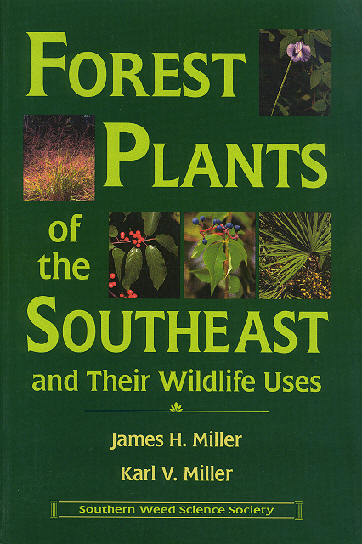
- Miller, James H. and Miller, Karl V. Forest Plants of the Southeast and Their Wildlife Uses. – A very detailed book with over 300 species covered. Wildlife uses of the plants are listed when available. The book feels like an identification guide – I considered placing it in that category. One of the things I love most about this book is that it covers plants that some of the other guides leave out.
- Tveten, John L. The Birds of Texas. – This book is not only gorgeous, but well written and full of information. The photography is… WOW 🙂 The near 300 species accounts are brimming with facts that cover all parts of the birds’ lives. Beginning and experienced birders will love it.
Gardening
This includes growing and propagating both typical garden plants and native wild plants.
- Nokes, Jill. How to Grow Native Plants of Texas and the Southwest: Revised and Updated Edition. – As an older book, it is very expensive on Amazon, so keep a thrifty eye out for it.
Misc.
These don’t fall nicely into any of the other categories. This section contains some Nature-based fiction books (noted).
- McAlister, Wayne H. (Author); McAlister, Martha K. (Illustrator). Life on Matagorda Island (Volume 5) (Gulf Coast Books, sponsored by Texas A&M University-Corpus Christi). [Kindle]
- Rollins, James. Amazonia: A Novel. [Kindle] [Audiobook] – It would seem that Nature doesn’t want people to explore deep into the Amazon in this novel.
- Silverthorne, Elizabeth. Legends and Lore of Texas Wildflowers (Louise Lindsey Merrick Natural Environment Series, Volume 24). [Kindle]
- Tesh, Emily. Silver in the Wood (The Greenhollow Duology #1). [Kindle] — Winner of the 2020 World Fantasy Award. Such beautiful prose!
- Tierra, Michael. The Spirit of Herbs: A Guide to the Herbal Tarot. [Kindle] [Deck & Book] – This goes with the Herbal Tarot and is a great book that covers lots of herbs.
- Todd, Kim. Tinkering with Eden: A Natural History of Exotics in America.
- Tompkins, Peter and Bird, Christopher. The Secret Life of Plants: A Fascinating Account of the Physical, Emotional, and Spiritual Relations Between Plants and Man – Revolutionary Science on Botanical Consciousness. [Kindle] [Audiobook] – “A fascinating account of the physical, emotional, and spiritual relations between plants and man.” This quote is from the cover of the book and is absolutely true. This book will give you a totally new way of looking at plants. A must read for any plant lover.
- Walker, Timothy. Plant Conservation: Why It Matters and How It Works.
- Wohlleben, Peter. The Hidden Life of Trees: What They Feel, How They Communicate—Discoveries from A Secret World (Mysteries of Nature Book 1). [Kindle] [Audiobook]
- Zimmer, Carl. Parasite Rex: Inside the Bizarre World of Nature’s Most Dangerous Creatures. [Kindle] [Audiobook]
Nature for Kids
- Boring, Mel; Burns, Diane; Dendy, Leslie. Fun with Nature (Take Along Guides) [Hardcover]. [Paperback] [Kindle] – A compilation of seven bestselling titles: Caterpillars, Bugs and Butterflies; Frogs, Toads and Turtles; Snakes, Salamanders and Lizards; Rabbits, Squirrels and Chipmunks; Tracks, Scats and Signs; and Trees, Leaves and Bark. This entertaining book is filled with fascinating facts and awesome activities. You will probably want the hardcover version. Your kiddos will carry it everywhere if they are like my niece and nephew. Also, getting the paper version gives the kiddos room to journal their sightings. This whole series is really great.
- Boring, Mel; Burns, Diane; Evert, Laura. More Fun with Nature (Take Along Guides) [Hardcover]. [Kindle] – A compilation of five other Take Along Guides. It includes: Berries, Nuts and Seeds; Birds, Nests and Eggs; Rocks, Fossils and Arrowheads; Seashells, Crabs and Sea Stars; and Wildflowers, Blooms and Blossoms!
Lists of Herbal Books
There are so many great herb books out there that I have rounded up some curated lists for you. They cover some books I have not read yet.
- Chestnut School of Herbal Medicine – Our Favorite Herbal Books
- Goodreads – Best Herbalism Books
- Botany Culture Co. – Must Have Herbalism Books
- Patti Wigington – Magical Herbalism Recommended Reading List
Non-Nature Favorites
I love these books and want to share them with everyone! They are some of my absolute favorite non-Nature books. I have noted the books in this section that are not for ages 18 or below <spicy> or for the faint of heart <horror>. If you’d like to see more of what I read, visit my Goodreads page.
- Konrath, J.A.; Crouch, Blake; Wilson, F. Paul; Strand, Jeff. DRACULAS: A Novel of Terror. [Kindle] [Audiobook] — A totally new and terrifying take on vampires. (Maybe my very favorite? I couldn’t pick a number one favorite, though, of book, musician, song, color… I love too many! How can one choose?!) <horror>
- Adams, Kathleen. Journal to the Self: Twenty-Two Paths to Personal Growth – Open the Door to Self-Understanding by Writing, Reading, and Creating a Journal of Your Life. [Kindle] — Journaling has always been helpful. And, who knew there were so many types of journaling!
- Allen, Navessa. Lights Out. [Kindle] [Audiobook] <spicy>
- Austen, Jane. The Annotated Pride and Prejudice. [Kindle $0.49!] — Being annotated, it really expands on this classic story, bringing more meaning to it. A definite must if you love P&P.
- Benham, William G. The Benham Book of Palmistry, Revised: The Essential Work. [Kindle] — The palmistry bible. You don’t need any other book besides this one to learn. (This is a newer version than what I have, and the pictures are all updated—which they really needed.)
- Blue, Sarah. Charming As Hell (Charming #3). [Kindle Unlimited] <spicy>
- Bryn, Anne. Cake Mix Doctor. — Easily elevate any cake mix to a recipe that everyone will be asking for.
- Coney, Lisina. The Brightest Light of Sunshine (The Brightest Light #1). [Kindle Unlimited] <spicy>
- Dahl, Roald. Charlie and the Chocolate Factory. [Kindle] [Audiobook] — A classic that you have to read. The movie is very loyal to the book. If I had to pick one, I would actually pick the movie. Shhhhhh!
- Darragh, Kelsey. Don’t F*cking Panic: The Shit They Don’t Tell You in Therapy About Anxiety Disorder, Panic Attacks, & Depression. [Kindle] — Favorite self-help book ever. Helped me more than any therapist I have seen. It just totally clicked with me.
- del Toro, Guillermo. The Strain (The Strain #1). [Kindle Unlimited] — The whole series! <horror>
- Dick, Philip K. The Preserving Machine. — As you’ve probably noticed, I like my non-fiction books out-of-the-ordinary. This collection of short stories definitely scratches that itch. The title story is so cool—a machine turns music into animals and they… misbehave. The movie Total Recall is based on one of the stories called “We Can Remember It for You Wholesale“.
- Digh, Patti. Life Is a Verb: 37 Days to Wake Up, Be Mindful, and Live Intentionally. [Kindle] [Audiobook]
- Fast, Julie A. Get It Done When You’re Depressed. [Kindle] [Audiobook]
- Geissinger, J.T. Beautifully Cruel (Beautifully Cruel #1). [Kindle Unlimited] [Audiobook] — The whole series! Really, anything by the author is good. <spicy>
- ———. Liars Like Us (Morally Gray #1). [Kindle Unlimited] — The whole series! <spicy>
- ———. Ruthless Creatures (Queens & Monsters #1). [Kindle Unlimited] — The whole series! <spicy>
- George, Nina. The Little Paris Bookshop. [Kindle]
- Goodman, Linda. Linda Goodman’s Sun Signs. [Kindle]
- Grahame-Smith, Seth. Abraham Lincoln: Vampire Hunter. [Kindle] [Audiobook] — Well-written and almost believable 😉 <horror>
- Henry, Emily. Book Lovers. [Kindle] [Audiobook] <spicy>
- Hotchner, Tracy. The Cat Bible: Everything Your Cat Expects You to Know. [Kindle]
- Kenna, J.L. Midnight Confessions (Beautiful Bastards #1). [Kindle Unlimited] <spicy>
- King, Stephen. Misery. [Kindle] <horror>
- ———. Pet Sematary. [Kindle] <horror>
- ———. The Mist. [Kindle] <horror>
- ———. The Shining. [Kindle] — The movie is almost as good as the book. Ofc I mean the Jack Nicholson version! <horror>
- Knight, Harry Adam. The Fungus. [Kindle] [Audiobook] — Fungi take over. All different kinds of fungi with different effects on people for each species of fungus. I went to this one used bookstore all the time to dig through all their old, thin paperbacks. I found some excellent books this way—this was one. I can’t believe they now have a really inexpensive Kindle and audiobook versions on Amazon! <horror-ish>
- Koontz, Dean. Innocence. [Kindle] — Haven’t read any others by him, but this one is really good.
- Locke, Adriana. The Proposal (Brewer Family #1). [Kindle Unlimited] — I honestly don’t even remember this one, but it was on my favorites list so I really loved it at one time. LOL! <spicy>
- Maas, Sarah J. A Court of Thorns and Roses [Kindle] — The whole 5-book series!!! I have read it a few times and listened to the Graphic Audio {the best brand of dramatized audiobook/full cast) version of it a few times. (If you haven’t listened to a Graphic Audio audiobook, then OMG! you are totally missing out!) When is the next one coming?! My comfort series. <3 <3 <3 <spicy>
- ———. House of Earth and Blood (Crescent City #1). [Kindle]— Maas for the win again! Another incredible series that actually ties into ACOTAR (above). She has another series called Throne of Glass that I have read part of and it is really great too. <spicy>
- MacGregor, Trish. Power Tarot: More Than 100 Spreads That Give Specific Answers to Your Most Important Question. [Kindle] — I love having a bunch of different spreads to play with.
- Patton, Dirk. Unleashed (V Plague #1). [Kindle Unlimited] — The whole V Plague series! Kind of a take on zombies, but sooo much better. <horror>
- Pearse, Angela. The Holly Project. [Kindle Unlimited] <spicy>
- Phillips, Susan Elizabeth. Simply the Best: Chicago Stars #10 – A Battle of the Sexes Football Romance with Murder, Forbidden Love, and Deadly Stakes. [Kindle] — I haven’t read the rest of the series since I read this one for a specific book challenge. I would like to sometime though. <spicy>
- Pollack, Rachel. Rachel Pollack’s Tarot Wisdom: Spiritual Teachings and Deeper Meanings. [Kindle]
- Preston, Richard. The Hot Zone: The Terrifying True Story of the Origins of the Ebola Virus. [Kindle] [Audiobook] <horror>
- ———. Cobra Event: A Novel. [Kindle] <horror>
- ———. The Demon in the Freezer: A True Story. [Kindle] [Audiobook] <horror>
- Rath, Emily. Pucking Around (Jacksonville Rays #1). [Kindle Unlimited] — The whole series! <spicy>
- Reyne, Opal. A Soul to Keep (Duskwalker Brides #1). [Kindle Unlimited] — The whole series!!! <spicy>
- Sigler, Scott. Infected (Infected #1). [Kindle] — “A terrifying thriller that will crawl beneath your skin . . . and leave fresh blood on every page.” The whole series!!! Anything by Scott Sigler is good, but this is the best. <horror>
- Sisavath, Sam. The Purge of Babylon (Purge of Babylon #1). [Kindle Unlimited] — Ofc… the whole series! Another unique take on vampires. <horror>
- Yarros, Rebecca. Fourth Wing (The Empyrean #1). [Kindle Unlimited] — The whole series! <3 <spicy>
